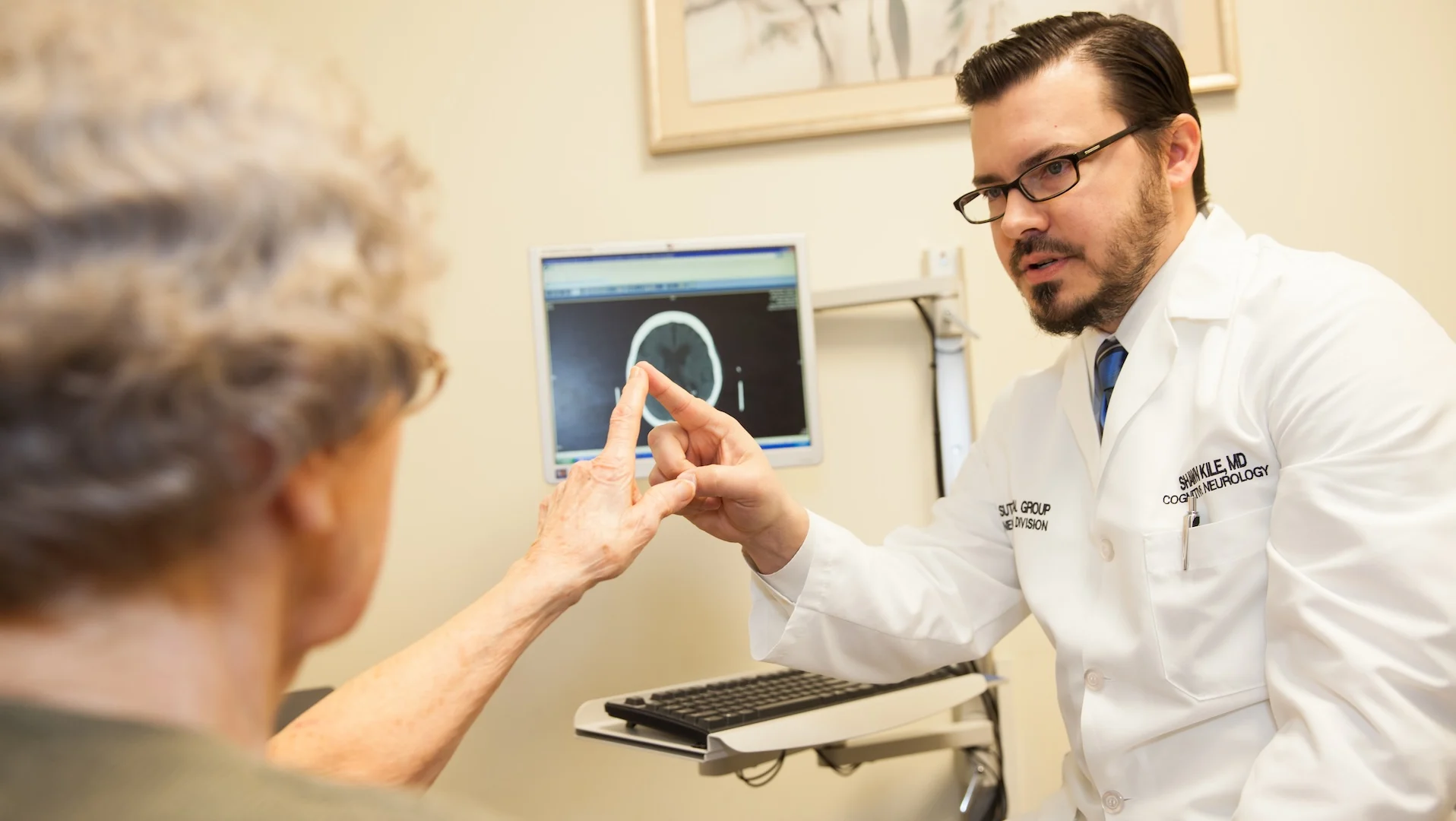
A doctor’s appointment is typically constrained by time and scope—the physician evaluates a patient and briefly discusses their health concerns. There’s little time to drill down into a patient’s day-to-day experience, much less to provide wellness coaching based on what’s really happening outside the doctor’s office.
Sutter Health, a large and integrated not-for-profit healthcare system based in California, is working to change that experience by better connecting its physical locations and medical professionals with patients’ everyday lives. At-home health monitoring, AI-enabled medical systems, and other advanced technology create what CEO Warner Thomas calls a “digital ecosystem” that continually connects patients with Sutter Health’s network of hospitals, clinics, and care providers.
The ability to develop and implement novel approaches to medical care, improve patient outcomes, and enhance patient experience has earned Sutter Health a spot on Fast Company’s list of the Best Workplaces for Innovators for 2025.
Researchers believe that dementia diagnoses will double by 2060 as America’s population ages. However, many people in the early stages of cognitive impairment might not recognize their symptoms. That’s why an at-home screening tool for dementia accessible through a patient’s smartphone or computer just might transform early detection and treatment.
Last year, this very idea won Sutter Health’s first-ever Innovation Challenge. More than 5,000 of the organization’s more than 60,000 employees participated, creating 150 cross-functional teams that generated nearly 250 ideas for improving patient care and experience. The at-home screening tool for dementia emerged as the top concept and is now being piloted in the field.
Sutter Health also recently launched “Sutter Sync,” a digital care program designed to help patients better monitor and manage health conditions such as hypertension or diabetes at home. For example, patients with hypertension can now measure their blood pressure using equipment that automatically sends readings to their electronic health record. Pharmacists, digital health coaches, and other medical professionals review that data and provide real-time feedback and treatment adjustments as needed.
“If you have high blood pressure, your doctor is typically collecting only a few blood pressures in a year, and it’s hard to change behavior doing something only a few times a year,” Thomas says. “If you take your blood pressure every week, with the support of a dedicated team, you can change your medication and build good habits right away.”
Intensive Education and Training
Sutter Health is taking proactive steps to keep ideas like these flowing. The new Sutter Health Innovation Center in San Francisco serves as a hub for Innovation Challenge activity and prototyping and training in new approaches to medical care.
Employees also receive intensive education and development, with many clinicians participating in VR simulations, to support continual professional growth. Teammates are encouraged to look at what they can learn from other industries and think about how external partners might help provide new capabilities.
A just-launched partnership with GE HealthCare, for example, will lead to the installation of the latest, AI-powered imaging equipment in care centers and provide comprehensive education in its use to address a shortage of diagnostic clinicians. “We just have to continue to be creative and curious,” Thomas says. “We want people to look inside and outside the organization for new ways to do things.”
Taking wellness to the next level