The other day, I was giving a talk, and someone raised their hand.
“What the heck is the microbiome?” he said, as he was trying to make some positive changes in his own health and had been hearing a lot about it.
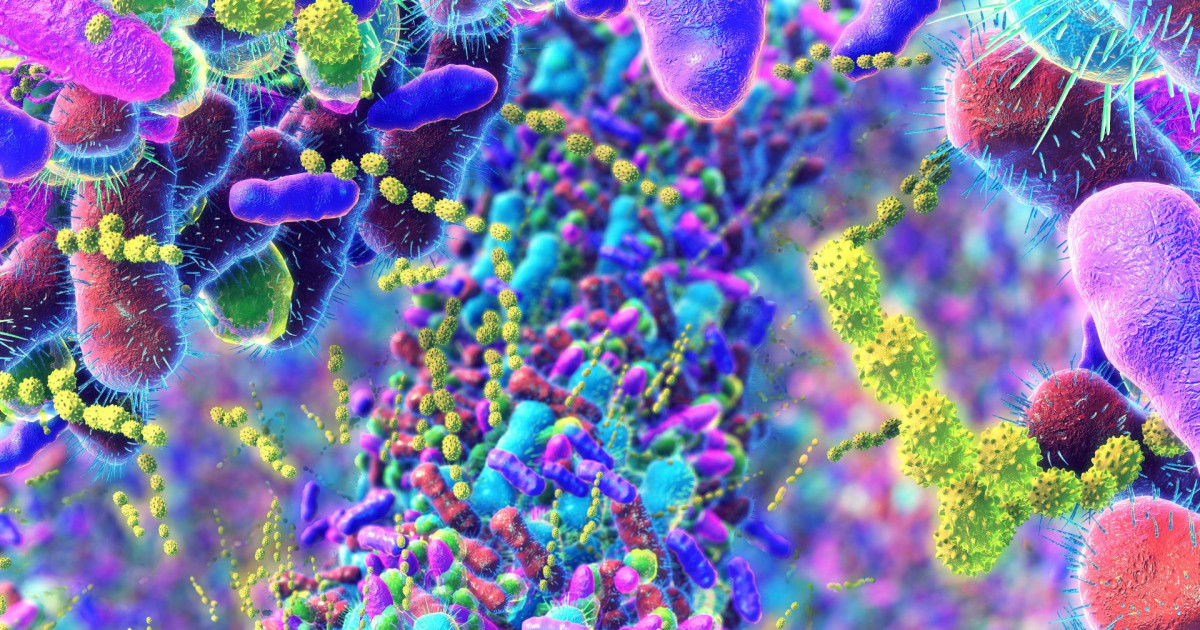
The microbiome is interesting; these microscopic microorganisms cover the inside and outside of our bodies. It consists of trillions and trillions of cells that collectively weigh up to 4.5 pounds, which you can’t see, feel, or touch. Some classify it as a separate organ that impacts much of our overall wellbeing, from gut lining and digestion to our mood, skin health, metabolic regulation, and so much more.
But it’s more than just “not having gut problems” or optimal digestion. Yes, that’s part of it, but it’s really an ever-evolving field of research that we’re still learning so much about.
Here is some of what we do know, why it matters, and, most importantly, what you can do to improve the health of your own microbiome.
What is Your Microbiome?
I emphasize “your own” as each microbiome is as unique as your fingerprint, so it truly is your own. These bacteria love to chow down on what you eat, for better or for worse, making your diet that much more important. That said, what makes it more challenging is that there’s also no “ideal” blueprint for your microbiome.
Making up the microbiome are all sorts of microorganisms or probiotics, a term you’ve likely heard. The official definition from The International Scientific Association for Probiotics and Prebiotics is that probiotics are “live microorganisms that, when administered in adequate amounts, confer a health benefit on the host.”
That brings up a point. There’s pre-, pro-, and post-biotics. They essentially eat what you do, then they digest, and their own waste products can offer oh so important and beneficial nutrients. Collectively, these feed and make up your microbiome. Let’s look at each of these, what they are, and why they matter.
Probiotics
Probiotics are live microorganisms that provide health benefits when consumed in adequate amounts. There are foods that are naturally rich in probiotics, including fermented foods like yogurt, kefir, kimchi, sauerkraut, kombucha, and more. Of course, various strains can also be included in the diet as dietary supplements.
Prebiotics
Think of prebiotics like fertilizer for your grass and plants. In your body, these are ingredients your intestines can’t fully digest, but, like that fertilizer and plants, work in tandem with probiotics. They’re most plentiful in high fiber foods, like veggies, beans, grains, and fruits, as examples.
Postbiotics
These are the lesser-known of the trio, but their benefits seem to be equally important. Postbiotics originate from the digestion and fermentation of prebiotics, and their benefits appear to be equally important as those of prebiotics.
How to Improve Your Own Microbiome
While those are the basic definitions of each, the real question is what can you do in your own daily routine to improve the health of your microbiome?
Eat More Fiber
Let’s start by looking at some strains and their associated benefits because your unique microbiome might just be the key to your overall wellbeing, and it, itself, is also affected and thrives by your own daily life.
First, the basics still matter. You can’t outdo a well-balanced diet, high in fiber-rich foods. Lisa Valente, MS, RD, adds, “Not only will you get lots of vitamins and minerals if you’re focusing on vegetables, fruits, beans, whole grains, nuts, and seeds, but those foods deliver fiber and prebiotics as well.”
Start there before trying to add in a seemingly magical supplement.
Get a Little Dirty
Also, don’t over-sanitize—we don’t need hand sanitizer between every single thing we touch. Grms can be good (within reason). You know what else is beneficial? Playing with your dog, if you have one. Seriously, research shows there are benefits to doing so on our microbiome.
Supplement Carefully
But what if you already eat a colorful, fiber-forward diet and still want to supplement? Supplementation may be important if you’ve been on antibiotics for some illness or if your health care practitioner has specifically recommended them for any particular need.
Next, if you’ve ever tried to purchase a probiotic, it’s often hard to know what you’re buying. Each manufacturer uses different strands and different amounts. Even though some strains have some research-backed support, there is no one-size-fits-all probiotic. If you don’t want to become a walking encyclopedia of unlimited strains of bacteria, the research, and their benefit, you can focus on these three. While there are a number of options out there, the three highlighted below have many supportive studies and could be considered.
Akkermansia
After first hearing about this concept several years ago, I was reintroduced to it at The Eudemonia Summit, which brought together a diverse group of health practitioners from around the world to discuss the future of wellness. I had the opportunity to interview the CEO of Pendulum, one of the companies exhibiting about the unique strain that’s the cornerstone of many of their own products.
Akkermansia, first discovered in the early 2000’s, helps strengthen your gut and mucosal lining. Like a snake shedding its skin, your gut essentially does the same and then has to rebuild it “fresh.” Akkermansia, which naturally declines as we age, is a necessary part of that rebuilding process, and research suggests it’s associated with improved metabolic and GI health. Of note, you won’t find this particular strain in foods, though fiber and polyphenol-rich fruits and veggies will act like supporting actors to feed it.
Lactobacillus Acidophilus
This is a common strain of probiotic bacteria that is widely used. It’s common in yogurt that is made with live and active cultures, which will be clearly stated on the label. Consistency adding these yogurts to your diet, not only offers quality protein, calcium, and other nutrients, but they also provide a wide variety of healthy probiotics. Together, research suggests these may improve digestion & immune function, to name a few. Look for protein-rich yogurts, like Icelandic or Greek yogurt, that are made with live and active cultures.
Streptococcus Thermophilus
Streptococcus Thermophilus is a common strain in yogurt products and can similarly aid in digestion and just generally help the friendly bacteria in the gut outnumber the unfriendly ones. Probiotics, like Streptococcus, essentially create a physical barrier against unfriendly bacteria.
The International Scientific Association for Probiotics and Prebiotics advises manufacturers to list the total number of CFU—colony-forming units (ideally for each strain) through the expiration date or use-by date on the product label.
Feeding Your Microbiome
Just like Vecna from Stranger Things feeds on trauma, your microbiome feeds on what you feed it—especially what you eat most often. Diverse, fiber-rich foods help nourish beneficial bacteria that support digestion, immunity, and may even support mood. Eating well isn’t just good nutrition, it’s a daily investment in a healthier internal ecosystem,” adds Breana Lai Kileen, MPH, RD, Associate Editorial Director of Food, Food and Wine.
The microbiome also thrives with sleep, a balanced diet with a variety of healthy foods, exercise, and well-managed stress levels. Similarly, they also don’t thrive in environments with high sugar or high fat diets, elevated levels of stress, alcohol, or other generally less than desirable lifestyle habits, which can hurt the microbiome and favor the less than favorable bacteria.
What the Microbiome Is and Why It Matters for Your Health