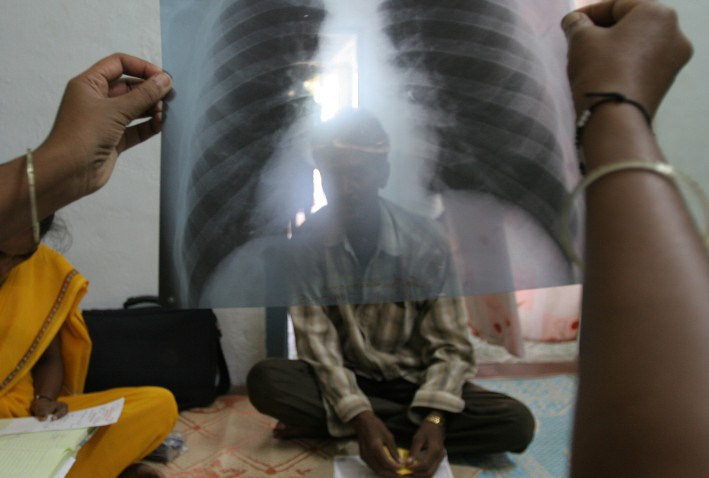
Medications like Isoniazid and Rifampin, which are essential for curing tuberculosis, can inadvertently deplete the body of critical vitamins.
This depletion can cause peripheral neuropathy, characterized by tingling, burning and numbness in the hands and feet.
Standard practice is to co-administer B6 supplements (6-50 mg daily) with Isoniazid to protect the nervous system.
It accelerates the breakdown of Vitamin D, which can lead to bone pain, weakness and impaired immune function.
A nutrient-dense diet and targeted supplements are critical to mitigate side effects, but they are adjuncts to, not substitutes for, the necessary pharmaceutical treatment.
Tuberculosis (TB) is one of humanity’s oldest and most persistent scourges, with evidence of the disease found in Egyptian mummies. For much of history, a diagnosis was often a death sentence. The development of antitubercular drugs in the mid-20th century, such as Isoniazid and Rifampin, marked a monumental turning point, transforming TB from a dreaded killer into a treatable condition. Yet, this medical victory came with an unforeseen challenge: the life-saving medications could inadvertently create critical nutrient deficiencies within the patient’s body. Today, a key part of TB treatment involves not just attacking the bacterium but also shielding the patient from the drugs’ metabolic side effects through targeted nutritional strategies.
The silent shield: How strategic nutrition protects patients from tuberculosis drug side effects