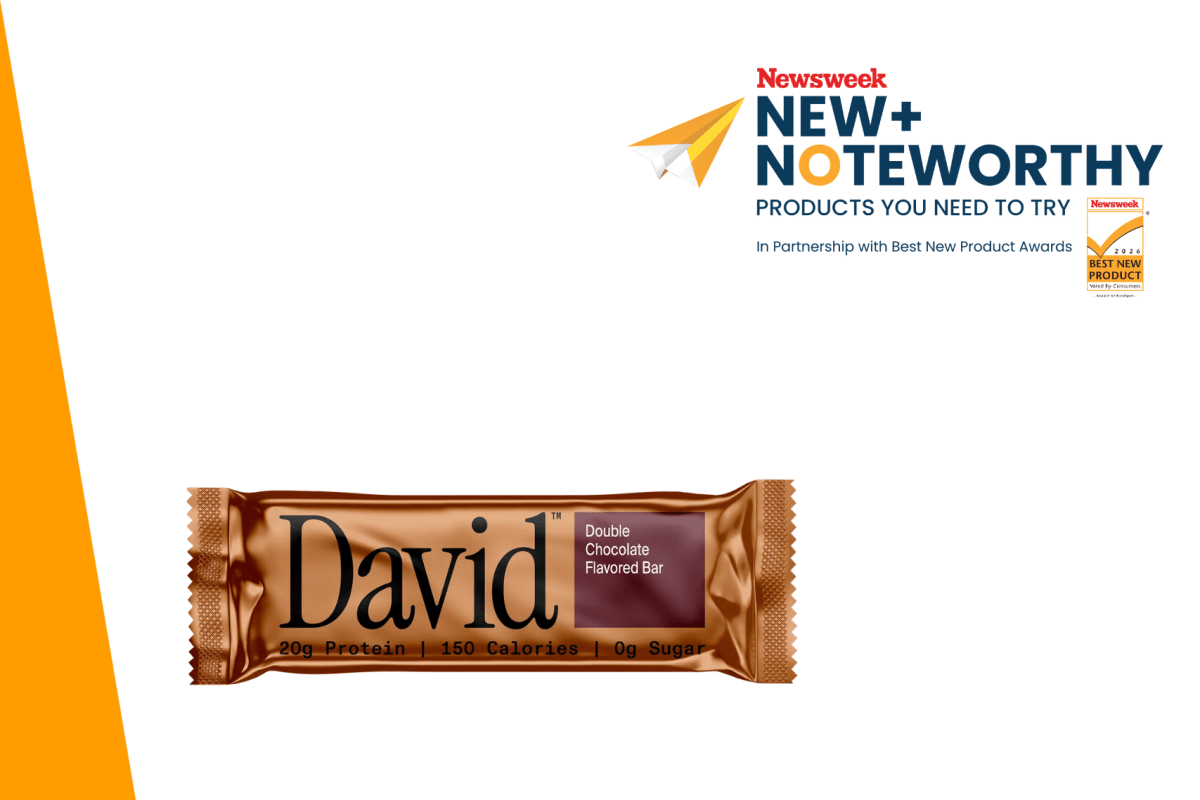
A protein bar marketed as a low-calorie, high-protein snack is facing backlash online after a class-action lawsuit alleged the product contains far more calories and fat than its packaging claims.
The allegation sparked widespread debate across social media platforms.
David Protein bars built a devoted following thanks to a nutritional profile that many consumers saw as unusually efficient: 28 grams of protein, zero grams of sugar and just 150 calories per bar.
With glossy packaging and dessert-style flavors, such as red velvet and fudge brownie, the bars won favor among fitness enthusiasts looking for convenient, high-protein options.
However, a lawsuit filed in federal court in New York in January alleges those numbers may be misleading.
According to testing cited in the complaint, the bars contain between 268 and 275 calories per serving—more than 100 calories higher than advertised—and between 11 and 13.5 grams of fat rather than the listed two grams.
Online communities focused on nutrition and fitness have responded to the legal development. Some contributors said the allegations confirmed their long-held suspicions about the bars’ unusually favorable nutrition stats.
Many critics said the product’s macros—high protein with extremely low calories and fat—had seemed, “too good to be true.”
Others joked online that consumers had been, “Regina George-ed,” referencing a scene from the film Mean Girls in which characters are tricked into eating bars that secretly promote weight gain.
Founder’s Push Back
David Protein founder Peter Rahal has pushed back against the claims. In an interview with Vanity Fair, Rahal said the lawsuit misunderstands how certain ingredients are evaluated for nutrition labeling.
“This particular claim, among other things, fails to understand how the [U.S. Food and Drug Administration] measures the calories for [Esterified Propoxylated Glycerol], one of our key ingredients,
Popular Protein Bars May Have Far More Calories Than Advertised