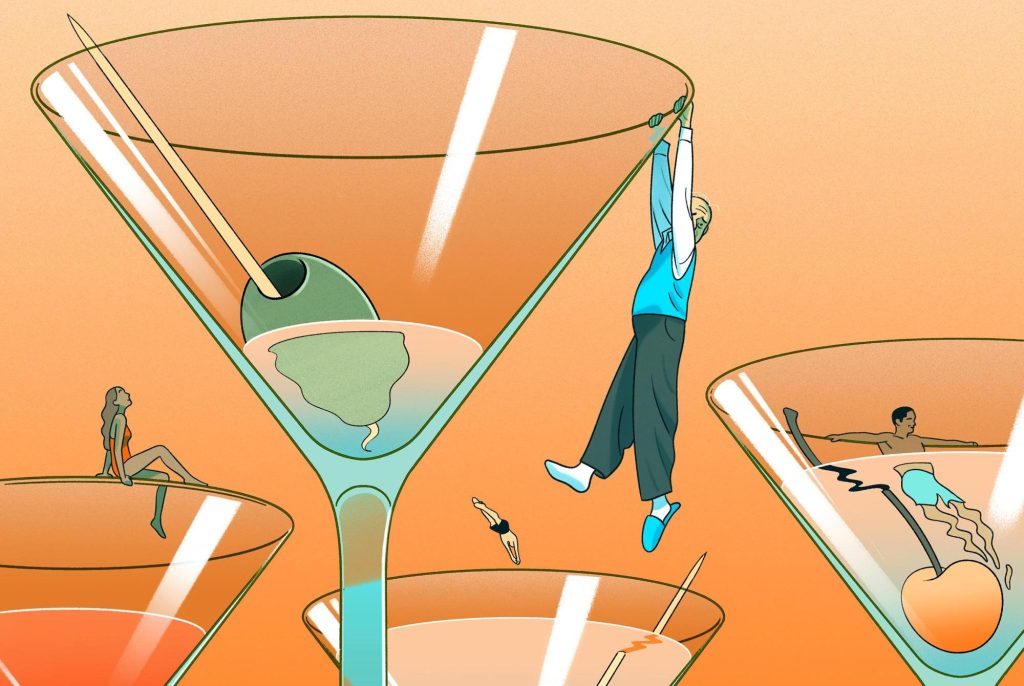
Spring naturally invites renewal. After months of heavier routines and winter habits, many people feel motivated to refresh their spaces, energy and daily rhythms. That same mindset can extend beyond the home, as this season is an ideal time to reevaluate personal habits (especially those related to sleep, energy, nutrition and alcohol use).
As community outreach coordinator at Virginia Recovery Centers, an alcohol and drug rehab in Mechanicsville, I’ve seen how a seasonal break from alcohol can support a broader wellness reset. Rather than framing it as a strict or permanent change, a “spring reset” encourages curiosity in how your body and mind can respond without alcohol. This approach removes pressure and builds awareness, making the experience feel empowering instead of restrictive.
Spring itself helps make habit change easier. Longer days and increased sunlight help regulate circadian rhythms and improve mood, while extended daylight often brings a natural boost in energy and motivation. The season also carries a “clean-slate” mentality. Just as people declutter closets and deep-clean their homes, it can feel natural to let go of habits that no longer serve them. Setting realistic, flexible goals (such as alcohol-free weekdays or a 30-day break) instead of an all-or-nothing commitment helps replace restriction with curiosity. Framing it as a short-term experiment encourages exploration rather than pressure.
Even a temporary pause from alcohol can lead to noticeable physical benefits. Sleep is often the first area of improvement; while alcohol may help you fall asleep, it disrupts cycles. Without alcohol, many experience deeper, more restorative rest. Hydration and skin health improve as well, since alcohol contributes to dehydration. Removing it can lead to brighter skin, reduced puffiness and less bloating. Energy can shift toward immune function and overall resilience, while eating habits often become more balanced because alcohol no longer adds empty calories or triggers cravings.
Mental and emotional changes can be equally significant. Alcohol temporarily relaxes the nervous system but can contribute to next-day anxiety or irritability. Taking a break often results in more stable moods, improved focus and heightened productivity. Simple moments (such as time outdoors, conversations with friends or daily routines) can feel more vivid and meaningful without alcohol in the background.
Supporting a reset often involves replacing the habit rather than just removing it. Spring makes this easier, as the season offers natural alternatives. Herbal iced teas, citrus-infused sparkling water or fresh mocktails can create a satisfying ritual. Evening walks, biking, gardening or other outdoor activities can also replace the “drink to unwind” routine with something energizing. Nighttime rituals such as reading, stretching or journaling will also help signal relaxation without alcohol. The goal is sustainability, not perfection.
Social situations can be challenging at first, especially with spring gatherings. So preparation is key. Bring along an alcohol-free option or simply say, “I’m taking a break,” as this often suffices. Focusing on conversation, food and experience can also make events feel relaxed and enjoyable.
Keeping your reset simple increases the likelihood of success. Choose a clear timeframe (a long weekend, a couple of weeks, or a month) to provide structure without overwhelm. Pay attention to changes in sleep, mood, energy and focus, and reflect afterward to better understand your habits.
A spring alcohol break doesn’t have to be all-or-nothing to make a meaningful impact. Even a short pause increases awareness, improves energy and encourages intentional choices. Framed as a positive experiment, a spring reset offers a chance to refresh routines and realign with wellness goals. Ultimately, you will move into the season feeling lighter, clearer and more in control.
Column: Try a ‘spring reset’ to take a break from alcohol