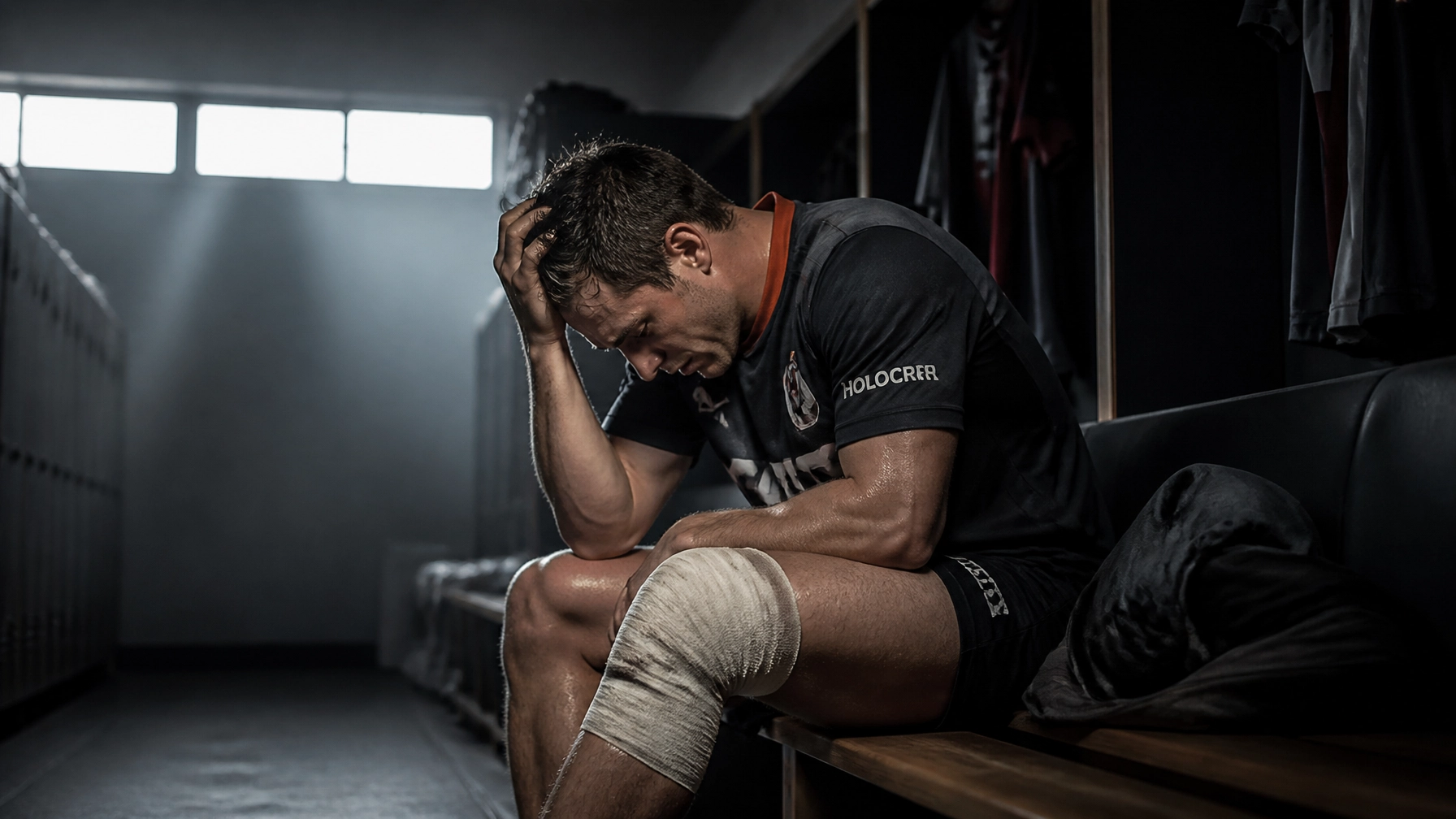
On Saturday, May 30, 2026, leading sports medicine practitioners confirmed that nearly 60% of orthopedic injuries recorded in high-performance clinics this year were classified as preventable, stemming directly from systematic errors in training and recovery protocols. Despite the proliferation of wearable technology and biometric tracking, athletes at both the professional and recreational levels continue to succumb to predictable physiological failures.
The American College of Sports Medicine (ACSM) recently released data highlighting a brutal trend: a surge in soft-tissue tears and stress fractures that align with the "too much, too soon" training philosophy. As medical practitioners and fitness enthusiasts look to optimize longevity, identifying these critical flaws in injury prevention strategies has become a matter of clinical urgency.
1. The Chronic Loading Trap: Overreaching Without Adaptation
The most prevalent mistake in modern athletics is the mismanagement of training loads. Athletes frequently succumb to the "10% rule" violation, where weekly volume increases exceed the body’s structural capacity to adapt. This aggressive progression often results in debilitating overuse injuries like Achilles tendinopathy or medial tibial stress syndrome.
Evidence-based sports medicine suggests that the "Acute:Chronic Workload Ratio" (ACWR) must remain within the "sweet spot" of 0.8 to 1.3. When an athlete’s current week of training (acute load) significantly exceeds the average of the prior four weeks (chronic load), the risk of a brutal injury spike increases by over 300%.
The Fix: Implement a systematic loading phase. Utilize a digital training log to track "internal load": your perceived exertion multiplied by the duration of the session. If your weekly intensity jumps by more than 15%, a mandatory deload week must follow to allow for cellular repair and bone remodeling.

2. The Static Stretching Myth: Compromising Power for Perceived Safety
For decades, the standard locker room protocol involved long-duration static stretching prior to competition. However, current clinical consensus from the National Strength and Conditioning Association (NSCA) indicates that static stretching held for longer than 60 seconds can actually decrease muscle force production and power output, effectively "softening" the muscle-tendon unit before it needs to be stiff and explosive.
A static muscle is not a prepared muscle. By holding deep stretches while the body is cold, athletes risk creating micro-instability in joints without activating the nervous system for the impending load.
The Fix: Shift to a dynamic warm-up protocol. Prioritize movements like leg swings, lunges with a twist, and high knees. These actions increase core temperature and prime the neuromuscular pathways, ensuring the brain and muscles are communicating at peak speed before the first whistle.
3. The "No Pain, No Gain" Fallacy: Ignoring Biomechanical Red Flags
The culture of "playing through it" remains a significant barrier to effective injury prevention. Medical practitioners often see athletes who have turned a minor Grade 1 strain into a full Grade 3 tear by ignoring localized, sharp pain during training. There is a definitive distinction between the "burning" of metabolic fatigue and the "stinging" of tissue damage.
Ignoring pain is not an act of mental toughness; it is a failure of physiological intelligence. When the body detects pain, it alters movement patterns to protect the area: a phenomenon known as "antalgic gait" or "compensatory movement": which inevitably leads to secondary injuries in other joints.
The Fix: Adopt a "Pain Traffic Light" system. Green (0-2/10 pain) allows for continued training. Yellow (3-5/10 pain) requires immediate load modification. Red (6+/10 pain) necessitates an immediate cessation of activity and a consultation with a licensed physical therapist. Stay informed on the latest diagnostic trends via our daily articles.

4. The Strength Deficit: Neglecting Structural Integrity
Many endurance athletes and gym-goers prioritize cardiovascular "fitness" while completely neglecting the structural integrity of their kinetic chain. A runner with elite aerobic capacity but weak gluteus medius muscles is a prime candidate for an ACL tear or IT band syndrome. Without a foundation of resistance training, the joints bear the brunt of every impact.
Neuromuscular training: specifically balance and eccentric strengthening: is proven to reduce the risk of non-contact knee injuries by up to 50%. Yet, strength training is often the first component sacrificed when a schedule becomes grueling.
The Fix: Integrate two days of focused resistance training per week. Prioritize compound movements like deadlifts and single-leg squats, which mirror the unilateral nature of most sports. Focus on the eccentric (lowering) phase of the lift, as this is where muscle fibers are conditioned to handle high-impact forces.
5. The Recovery Gap: Underestimating the Power of Sleep
Physiological adaptation does not occur during the workout; it occurs during the recovery period. A study involving collegiate athletes found that those who slept less than eight hours per night were 1.7 times more likely to sustain an injury than those who slept more. Inadequate sleep leads to reduced cognitive function, slower reaction times, and elevated levels of cortisol, which inhibits tissue repair.
Furthermore, the lack of planned "downward" cycles in a training year: the off-season: leads to systemic burnout and a higher incidence of stress fractures.
The Fix: Treat sleep as a non-negotiable training session. Aim for 7–9 hours of high-quality sleep in a dark, cool environment. Additionally, schedule one full rest day per week and a "deload" week every fourth week where volume is reduced by 30%. For more on optimizing your rest, consider subscribing to our wellness newsletter.

6. Biomechanical Neglect: Repeating Faulty Patterns
Athletes often obsess over "how much" they are lifting or "how far" they are running, while completely ignoring "how" they are moving. Faulty biomechanics, such as "knee valgus" (knees caving in) during a landing or a "trunk collapse" during a sprint, act as a slow-motion wrecking ball on the joints.
Repetitive loading on a misaligned joint is a mathematical certainty for failure. This is particularly dangerous during high-intensity interval training (HIIT) when fatigue causes form to deteriorate rapidly.
The Fix: Perform a professional movement screen at least once a year. Utilize video analysis to identify asymmetries between your left and right sides. If your technique breaks down under fatigue, the session must end. Quality of movement must always precede quantity of load.
7. Equipment Inertia: Training on Expired Footwear
The final mistake is often the most overlooked: the failure to replace equipment. Running shoes, for instance, have a "structural lifespan" of approximately 300 to 500 miles. Beyond this point, the midsole foam loses its ability to absorb shock, transferring the impact of every stride directly into the shins, knees, and hips.
Similarly, ill-fitting protective gear in contact sports like football or hockey significantly increases the risk of concussions and fractures. An old helmet is not just a piece of plastic; it is a compromised safety system.
The Fix: Track the mileage on your footwear using a training app. Once you reach the 400-mile mark, transition that pair to casual wear and introduce a fresh pair for training. Regularly inspect all protective gear for cracks, frayed straps, or thinning padding.

The Path Forward for Sports Medicine
The reality of injury prevention is that it requires as much discipline as the training itself. By addressing these seven systemic failures: from load management to equipment maintenance: athletes can significantly decrease their time on the sidelines.
As the sports medicine landscape continues to evolve, the integration of professional medical insights into daily fitness routines remains the most effective defense against the brutal reality of physical injury. Stay updated with the latest in performance enhancement and sports injuries by following our daily coverage.