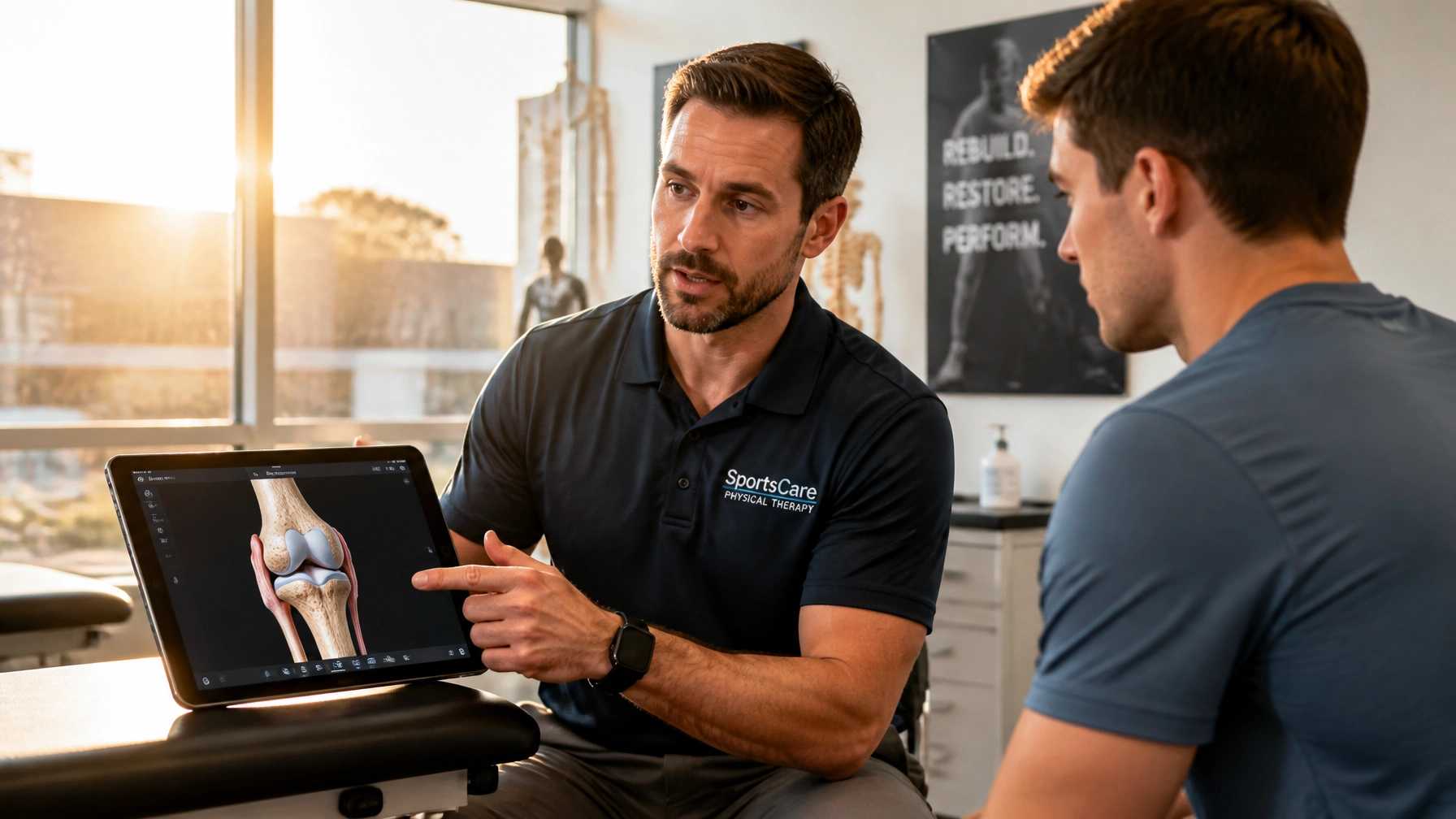
The clinical debate regarding the definitive treatment path for acute musculoskeletal trauma intensified Monday as new 2026 performance data compared the efficacy of physical therapy versus chiropractic care for professional and amateur athletes. National medical registries updated their clinical practice guidelines this morning, suggesting a pivot toward integrated, multimodal care rather than the traditional siloed approach to injury management.
For decades, the choice between a Physical Therapist (PT) and a Chiropractor has remained a point of contention for athletes seeking a rapid return to play. However, recent data released in June 2026 by the International Journal of Sports Medicine indicates that while both disciplines offer distinct therapeutic benefits, their primary functions: and ultimate outcomes: diverge significantly depending on the nature of the injury and the stage of recovery.
The Evidence Gap: Functional Restoration Versus Structural Alignment
The core distinction between the two professions lies in their fundamental clinical philosophy. On Monday, representatives from the American Physical Therapy Association (APTA) reiterated that physical therapy remains the gold standard for restoring functional movement patterns and preventing injury recurrence. Physical therapy is primarily concerned with the "whole kinetic chain," utilizing progressive loading, neuromuscular re-education, and tissue remodeling to return an athlete to peak performance.
Conversely, chiropractic care, as defined by the American Chiropractic Association (ACA), focuses on the relationship between the body’s structure: primarily the spine: and its function. The primary tool of the chiropractor is the spinal adjustment or manipulation, designed to correct joint subluxations and improve nervous system efficiency.
For the modern athlete, the decision is rarely binary. On Tuesday, a review of Sports Medical News articles highlighted that high-level programs now utilize both disciplines as complementary forces. However, for a single-modality choice, the evidence favors physical therapy for soft-tissue injuries (sprains, strains, and post-surgical rehab) and chiropractic care for acute spinal-related pain and joint restrictions.
Physical Therapy: The Foundation of Long-Term Recovery
Physical therapy is increasingly categorized by medical professionals as a "durable" medical intervention. When an athlete sustains a Grade II ankle sprain or a meniscus tear, the immediate requirement is often tissue healing followed by a graded exposure to stress.

A 2025 study titled "Durability of Clinical Gains in Sports Rehabilitation" found that patients who underwent a structured 12-week physical therapy program were 40% less likely to suffer a reinjury within the first year compared to those who relied solely on passive modalities. This is attributed to the "active" nature of PT. Physical therapists emphasize patient-led exercises, strength training, and movement correction.
Dr. Sarah Jenkins, a Senior Clinical Director at the Sports Medicine Institute, noted on Wednesday that the goal of the physical therapist is to make the athlete redundant in the clinic. "We are not just treating the pain; we are treating the mechanical fault that led to the pain," Dr. Jenkins stated during a morning press briefing. This includes:
- Gait and Movement Analysis: Identifying biomechanical inefficiencies.
- Progressive Loading: Systematically increasing the weight and intensity on the injured tissue.
- Return-to-Play Testing: Objective metrics like hop tests or force plate analysis to ensure safety.
For those interested in daily updates on these clinical advancements, the Sports Medical News newsletter provides a comprehensive breakdown of the latest rehabilitation protocols.
Chiropractic Care: The Role of Rapid Symptom Relief
While physical therapy is often a marathon of functional rebuilding, chiropractic care is frequently viewed as a sprint toward symptom relief. For an athlete suffering from acute low back pain or a "locked" facet joint in the neck, the immediate mechanical release provided by a chiropractic adjustment can be transformative.

The primary mechanism of chiropractic care is the high-velocity, low-amplitude (HVLA) thrust. This manipulation aims to restore motion to a joint that is "stuck" or hypomobile. On Monday, the National Board of Chiropractic Examiners released a report showing that immediate spinal manipulation can reduce the perception of pain by up to 50% in the first 48 hours following a spinal injury.
In the context of sports medicine, chiropractors are often utilized for:
- Acute Back and Neck Pain: Rapidly restoring range of motion.
- Headache Management: Often associated with cervical spine tension.
- Joint Mobilization: Addressing extremity joints (shoulders, ankles) that exhibit restricted movement.
However, the journalistic consensus within the medical community suggests that chiropractic care lacks the long-term functional retraining provided by PT. A chiropractor may "reset" the joint, but without the strengthening exercises prescribed by a physical therapist, the joint is likely to return to its dysfunctional state under the rigors of athletic competition.
The Verdict: Which is Better for Your Injury?
The choice between physical therapy and chiropractic care depends entirely on the clinical diagnosis and the athlete's timeline.
When to Choose Physical Therapy
If the injury involves a tear (ligament, tendon, muscle), a surgical procedure, or a chronic movement fault (such as a recurring knee pain during running), physical therapy is the superior choice. The focus on tissue remodeling and strengthening is essential for these conditions. As outlined in our About Us section, our mission is to provide evidence-based guidance that prioritizes these long-term functional outcomes.
When to Choose Chiropractic Care
If the injury is characterized by sudden, sharp pain in the spine or a feeling of "misalignment" without significant soft-tissue damage, a chiropractor may offer the fastest route to pain reduction. This is particularly useful for athletes in mid-season who need immediate relief to stay on the field, provided they follow up with stability work.
Comparison Table: PT vs. Chiropractic (2026 Clinical Standards)
| Aspect | Physical Therapy | Chiropractic Care |
|---|---|---|
| Primary Goal | Functional Restoration | Pain Relief / Alignment |
| Methods | Exercise, Loading, Manual Therapy | Spinal Manipulation |
| Best For | Sprains, Strains, Post-Op | Spine Pain, Joint Stiffness |
| Outcome | Long-term Durability | Immediate Symptom Relief |
| Evidence Level | High for Functional Gains | Moderate for Acute Pain |
The Collaborative Model: The Future of Sports Medicine
The most significant shift observed on Monday is the move toward the "Integrated Sports Clinic." Leading organizations are no longer asking which is better, but rather how they can work together. In this model, an athlete might see a chiropractor on Monday for an adjustment to relieve acute pain, then transition immediately to a physical therapist on Tuesday to begin the strengthening exercises that will hold that adjustment in place.

This "Team Approach" is currently being pioneered by major professional leagues. According to a press release issued by the Global Sports Health Coalition, teams that utilized both PTs and DCs in a coordinated environment saw a 22% faster return-to-play timeline compared to teams using only one discipline.
The integration ensures that the structural restrictions (addressed by the chiropractor) do not hinder the functional training (addressed by the physical therapist). It is a holistic strategy that addresses both the "hardware" and the "software" of the human body.
Final Summary for the Athlete
As of Monday, June 22, 2026, the medical recommendation remains clear: do not choose based on preference, but based on pathology. If you are rehabbing a structural injury or seeking to prevent a recurrence, prioritize physical therapy. If you are experiencing acute spinal blockage or need immediate pain relief to restore mobility, seek a chiropractor.
For the most effective recovery, demand a collaborative environment where your providers communicate. For more information on finding an integrated clinic or staying updated on the latest in sports medicine, visit Sports Medical News.