


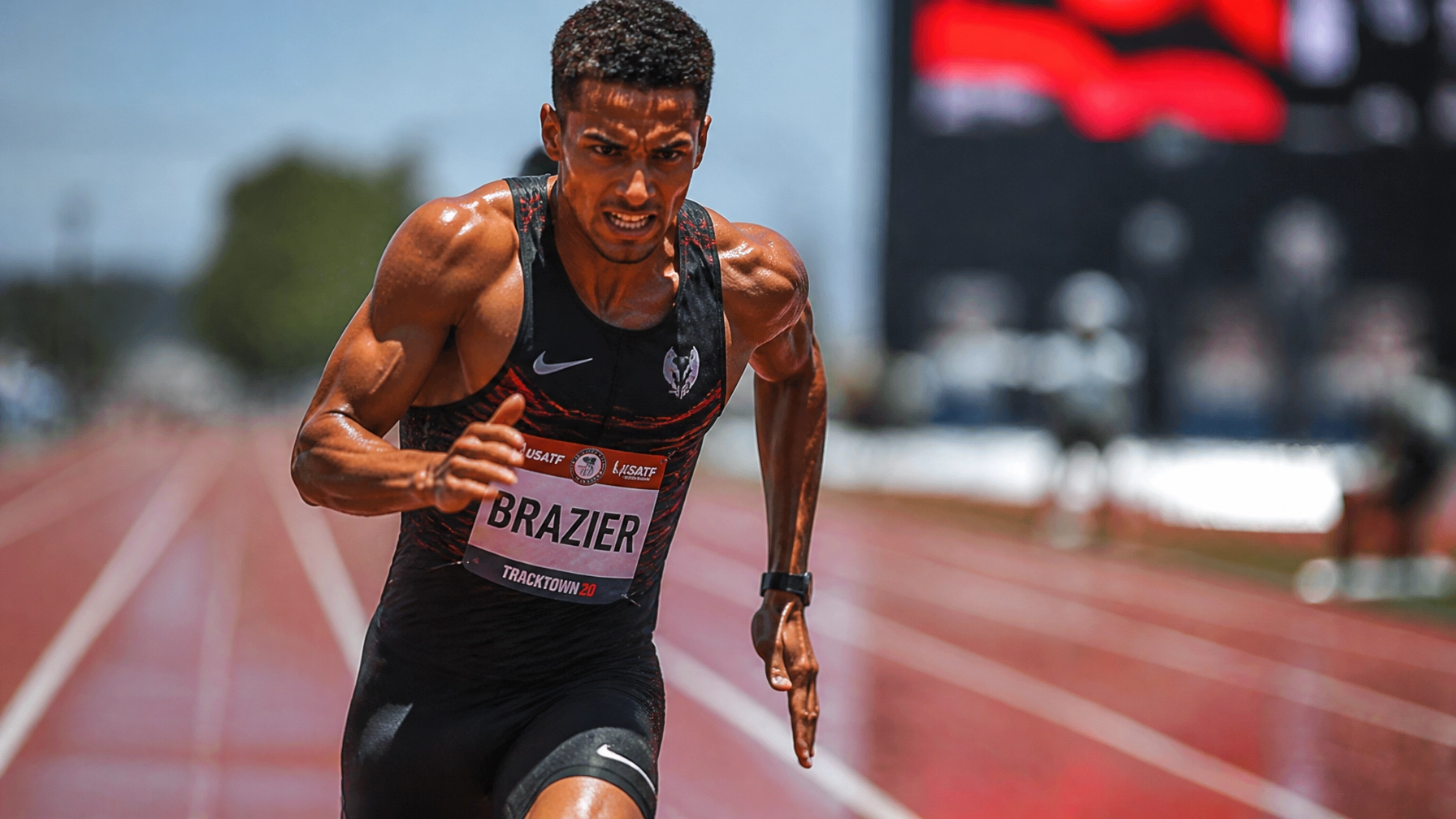
Athletes participating in high-intensity training sessions during this Friday’s record-breaking heatwave face a 30% increase in soft tissue injury risk and exertional heat illness (EHI), according to the latest clinical data from the American College of Sports Medicine. As ambient temperatures rise across the United States, medical practitioners and coaches are identifying a consistent pattern of preventable errors that compromise player safety and physical performance.
The physiological strain of thermoregulation: the body’s process of maintaining an internal core temperature: diverts blood flow from active muscle tissue to the skin’s surface for cooling. This competition for blood volume significantly increases cardiovascular strain and accelerates the onset of fatigue, making the body more susceptible to injury rehabilitation needs. Failure to account for these biological realities often results in catastrophic medical emergencies.
1. The "Thirst-Only" Hydration Fallacy
The most frequent error observed in sports medicine is the reliance on thirst as the primary indicator for fluid replacement. By the time an athlete feels the sensation of thirst, they have typically already reached a state of 1% to 2% dehydration. This level of fluid deficit is sufficient to impair neuromuscular function and reduce reaction times, directly increasing the risk of acute musculoskeletal trauma.
To fix this, practitioners must implement a "Pre-Hydration Protocol." Medical guidelines suggest consuming 5 to 7 milliliters of fluid per kilogram of body weight at least four hours prior to activity. If the athlete does not produce pale-yellow urine, an additional 3 to 5 milliliters per kilogram should be consumed two hours before the start of the session. During the activity, the goal is not to "drink as much as possible" but to match sweat loss, which should be calculated via pre- and post-exercise weight measurements.

2. The Compressed Acclimatization Error
Many coaching programs make the mistake of assuming that fit athletes are naturally resilient to heat. However, physical fitness is not a substitute for heat acclimatization. Forcing an athlete into a full-intensity session in 90-degree weather without a 7-to-14-day transition period is a major cause of exertional heat stroke (EHS).
The physiological adaptation to heat: including increased sweat rate, earlier onset of sweating, and expanded plasma volume: requires a gradual, progressive exposure. A proper fix involves the "50/20 Rule" for the first week: start with 50% of the usual intensity and duration, increasing by no more than 20% each subsequent day. This controlled exposure allows the cardiovascular system to adapt without the "brutal" strain that leads to systemic collapse.
3. The Peak-Hour Intensity Trap
Scheduling high-volume training sessions between the hours of 11:00 AM and 4:00 PM remains a pervasive mistake in competitive sports. This window represents the peak for solar radiation and ambient temperature. Even with adequate hydration, the sheer thermal load from the sun can overwhelm the body's cooling mechanisms during max-effort sprints or heavy resistance training.
The immediate fix is a non-negotiable scheduling shift. High-intensity performance enhancement drills must be moved to early morning (before 9:00 AM) or late evening. If mid-day activity is unavoidable, the session must be moved indoors or to a fully shaded area. Professional organizations are increasingly adopting the Wet Bulb Globe Temperature (WBGT) index: which accounts for humidity, wind speed, and solar radiation: rather than simple thermometer readings to dictate practice intensity.

4. The Equipment Retention Blunder
In sports such as football, lacrosse, and hockey, the retention of protective gear during extreme heat is a significant risk factor. Helmets and shoulder pads trap heat against the core and prevent the evaporation of sweat, which is the body's primary method of cooling.
Medical practitioners recommend a "Phased Gear Protocol." During the first three days of a heatwave or the start of a season, athletes should train in shorts and t-shirts only. Helmets should only be introduced on day four, with full pads not appearing until at least day seven. This prevents the "greenhouse effect" within the equipment and allows for more efficient thermoregulation during the critical acclimatization phase.
5. The Symptom-Dismissal Culture
A dangerous "tough it out" culture often leads to the dismissal of early warning signs of heat exhaustion. Dizziness, headache, nausea, and localized muscle cramping are frequently ignored until they progress to more severe neurocognitive impairments or physical collapse.
The fix requires a fundamental shift in reporting. Coaches and medical staff must normalize the "Early Exit" for any athlete exhibiting these symptoms. Immediate cooling, including moving the individual to a cool environment and applying cold towels to the neck, axilla, and groin, is essential. For more detailed insights on managing these risks, practitioners can contact us for specific heat-safety consultation.
6. The Static Environmental Assessment
Relying on a single temperature reading at the start of a three-hour practice is a common mistake. Environmental conditions can change rapidly; a 5% increase in humidity or a sudden drop in wind speed can push an athlete from a "moderate" to a "high" risk category within minutes.
Fixing this requires real-time monitoring. Safety officers should use a digital WBGT meter to take readings every 30 minutes. If the WBGT reaches certain thresholds (typically above 82°F for unacclimatized individuals or 90°F for those who are acclimatized), the session should be immediately modified or canceled. This data-driven approach removes subjectivity and ensures that safety remains the primary objective.

7. The Post-Activity Cooling Gap
The final mistake occurs after the training session ends. Many athletes immediately transition to a warm environment or engage in low-level activity without a formal cooling-down period. The body continues to generate significant metabolic heat even after exercise stops, and core temperatures can continue to rise for up to 30 minutes post-session.
To fix this, implement "Active Recovery Cooling." This includes 10 to 15 minutes in a cold-water immersion bath (50°F to 59°F) or the use of cooling vests. These methods rapidly lower core temperature and reduce the inflammatory response in the muscles, aiding in overall injury prevention and long-term recovery.
Conclusion: Integrating a Formal Heat Policy
The prevention of heat-related injuries is not a matter of luck but of rigorous, evidence-based protocol. By addressing these seven common mistakes, medical practitioners and athletes can ensure that high-performance training continues safely, even in the face of extreme environmental challenges.
Staying informed through a dedicated newsletter is the best way for health-conscious individuals and professionals to keep pace with evolving sports medicine guidelines. As the climate continues to shift, the ability to adapt training methodologies will remain the most critical skill in any sports medical toolkit.


