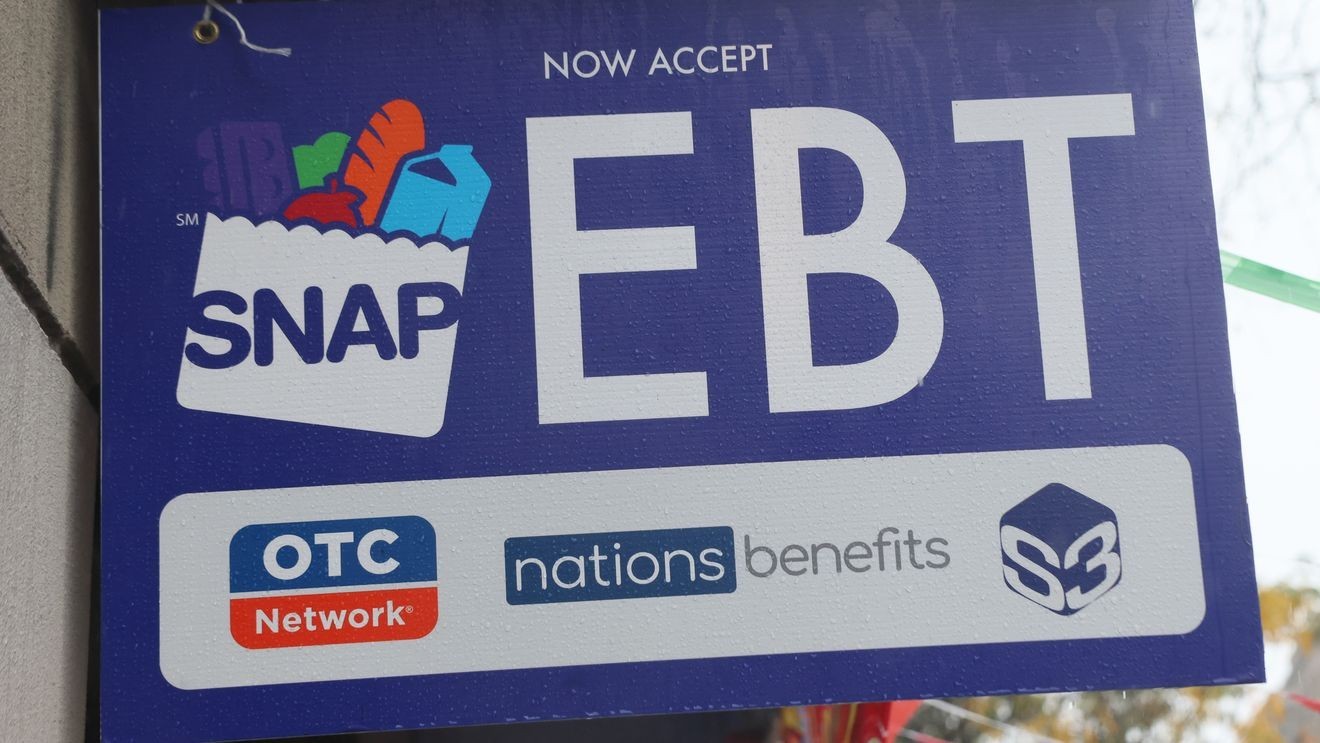
The Trump administration has been waiting months for more than 20 states to hand over detailed data on their Supplemental Nutrition Assistance Program (SNAP) recipients. According to the USDA, 28 states and Guam have complied, but 21 states, mostly led by Democratic governors, are still resisting the request.
At the center of the dispute is a new USDA directive issued in July. While states have always shared some level of SNAP data with the federal government, this latest demand goes far beyond the typical reporting requirements. In a July 24, 2025 letter, the USDA told states it was “requiring collection of SNAP data from EBT processors or state agencies” to build a “complete and accurate database.”
What makes this request different is the volume and sensitivity of the information the USDA wants. The agency is asking for a full caseload of personally identifiable information (PII) on every SNAP recipient, including names, Social Security numbers, birthdates, and home addresses.
That escalation has triggered backlash. The 21 states refusing to comply have sued the federal government, arguing in court filings that the USDA is demanding a level of surveillance they’ve never been subjected to before. In their amended complaint, the states write:
“Never before has the federal government demanded that States turn over PII on their entire SNAP caseloads, much less home address, social security number, immigration status, and day-to-day grocery purchase information.”
In the lawsuit, the states lay out their major concerns, some of which include:
Privacy and cybersecurity risks from transmitting massive quantities of sensitive personal data.
Fear the information could be used for non-SNAP purposes, including federal immigration enforcement.
A belief that USDA is overstepping its statutory authority and attempting to expand federal oversight beyond what Congress authorized.
It’s also notable which states are pushing back. Several of the states with the highest SNAP payment error rates, including California, Massachusetts, New Jersey, New Mexico, and Oregon, are among those refusing to comply, according to the USDA database.
The administration argues this more detailed data is necessary to reduce errors and root out fraud. The states counter that the privacy risks outweigh the benefits, and that the USDA has not demonstrated a clear legal basis for demanding such granular information.
How Much SNAP Costs, and Who Qualifies
While the legal fight plays out, the underlying program remains one of the country’s largest safety-net systems. According to the USDA, SNAP served an average of 41.7 million people per month in FY 2024. Federal spending totaled $99.8 billion, with benefits averaging $187.20 per participant per month.
Eligibility rules are set at the federal level, not by the states. Under those rules, households must meet specific income and resource tests to qualify. According to the Center on Budget and Policy Priorities, in general:
Gross income must be below 130% of the federal poverty line. For a family of three, that’s roughly $2,888 a month.
Only U.S. citizens and certain lawful immigrants, such as refugees and asylum seekers, can receive benefits. Undocumented immigrants are not eligible.
Most able-bodied adults without dependents must work at least 80 hours per month or participate in an approved employment program to maintain eligibility.
As the administration weighs possible funding penalties for the noncompliant states, the standoff raises larger questions about federal authority, data privacy, and the balance between program integrity and civil liberties.
Fact Check Team: States battle feds over demand for SNAP data