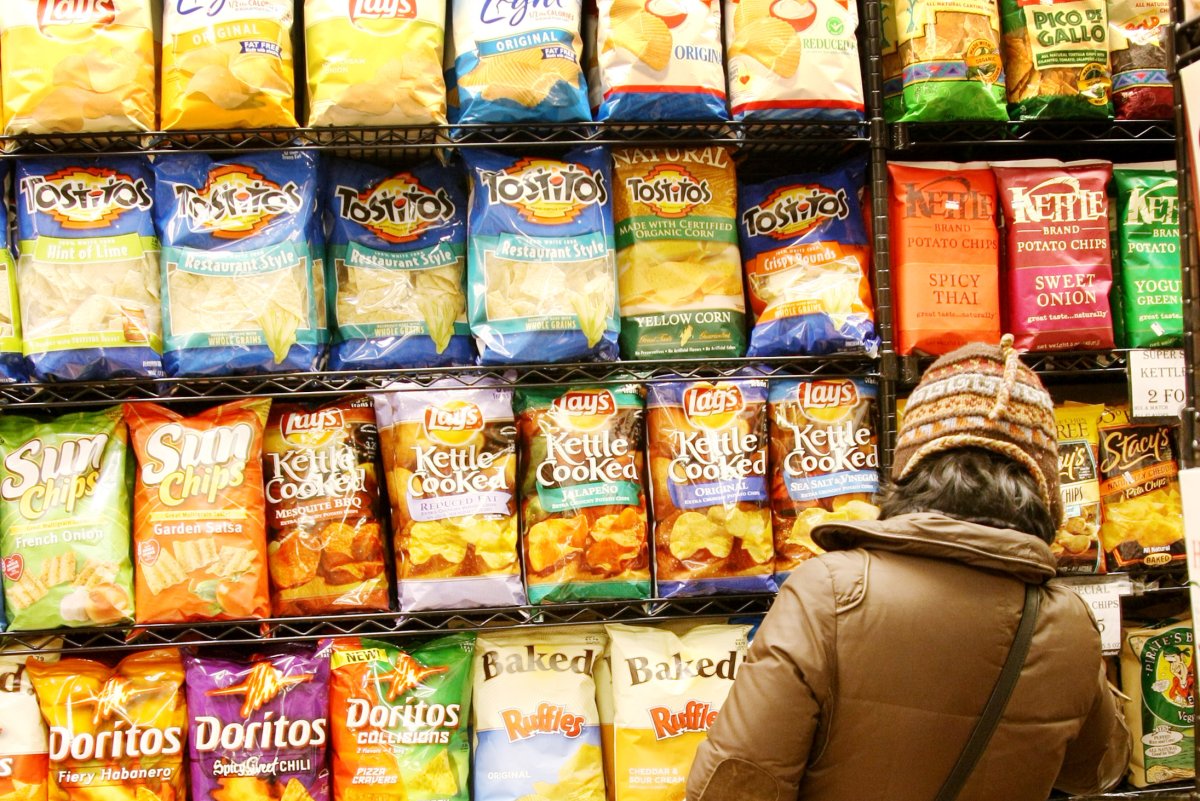
The dominance of ultra-processed foods in grocery stores is responsible for a total of nearly 125,000 preventable premature deaths in the United States during 2017 and 2018 and many thousands more across the globe, according to a Brazilian study released Monday. File Photo by Monika Graff/UPI | License Photo
ST. PAUL, Minn., April 28 (UPI) — A study released Monday links a total of more than 124,000 preventable, premature deaths in the United States over two years to adverse health affects from consuming ultra-processed foods.
The study’s Brazilian authors also analyzed data on ultra-processed food consumption from seven other countries, concluding that premature deaths tied to unhealthy diets are a growing global phenomenon calling for coordinated international action.
In addition to the nearly 125,000 premature U.S. deaths for 2017 and 2018, the study, published in the American Journal of Preventative Medicine, also estimated that more than 25,000 Brazilians died prematurely during those years because of poor health outcomes tied to ultra-processed foods.
The researchers’ statistical model also showed more than 17,000 such deaths in Britain during 2018 and 2019 and another 17,000 in Mexico during a single year, 2016.
Similarly, Canada had more than 7,700 premature deaths attributed to ultra-processed foods in 2016, the authors estimated, while Australia recorded 3,277 in 2016, Colombia had 2,813 in 2015 and Chile tallied 1,874 in 2010.
Ultra-processed foods, or UPFs, generally are defined as those that include mass-produced ingredients that can’t be made at home, such as preservatives, emulsifiers and sweeteners. They often contain added fats, starches, sugars, salts and hydrogenated oils extracted from other foods.
Sugary drinks, sweets and chocolates, pizzas, hamburgers, chicken nuggets and other highly popular food items are defined as UPFs under the NOVA food classification system. High consumption of these foods has been associated with many different diseases, including cardiovascular disease, obesity, diabetes, some types of cancer and depression.
By 2018, UPFs already made up more than half of the total dietary energy consumed in high-income countries such as the United States, Canada and Britain, and between one-fifth and one-third of total dietary energy in middle-income countries such as Brazil, Mexico and Chile, according to a University of São Paulo study.
The topic is receiving renewed attention due to the agenda of U.S. Health and Human Services Secretary Robert F. Kennedy Jr., who is focusing on the perceived dangers of UPFs during his
Ultra-processed foods tied to 124,000 premature deaths over 2 years in U.S., study finds