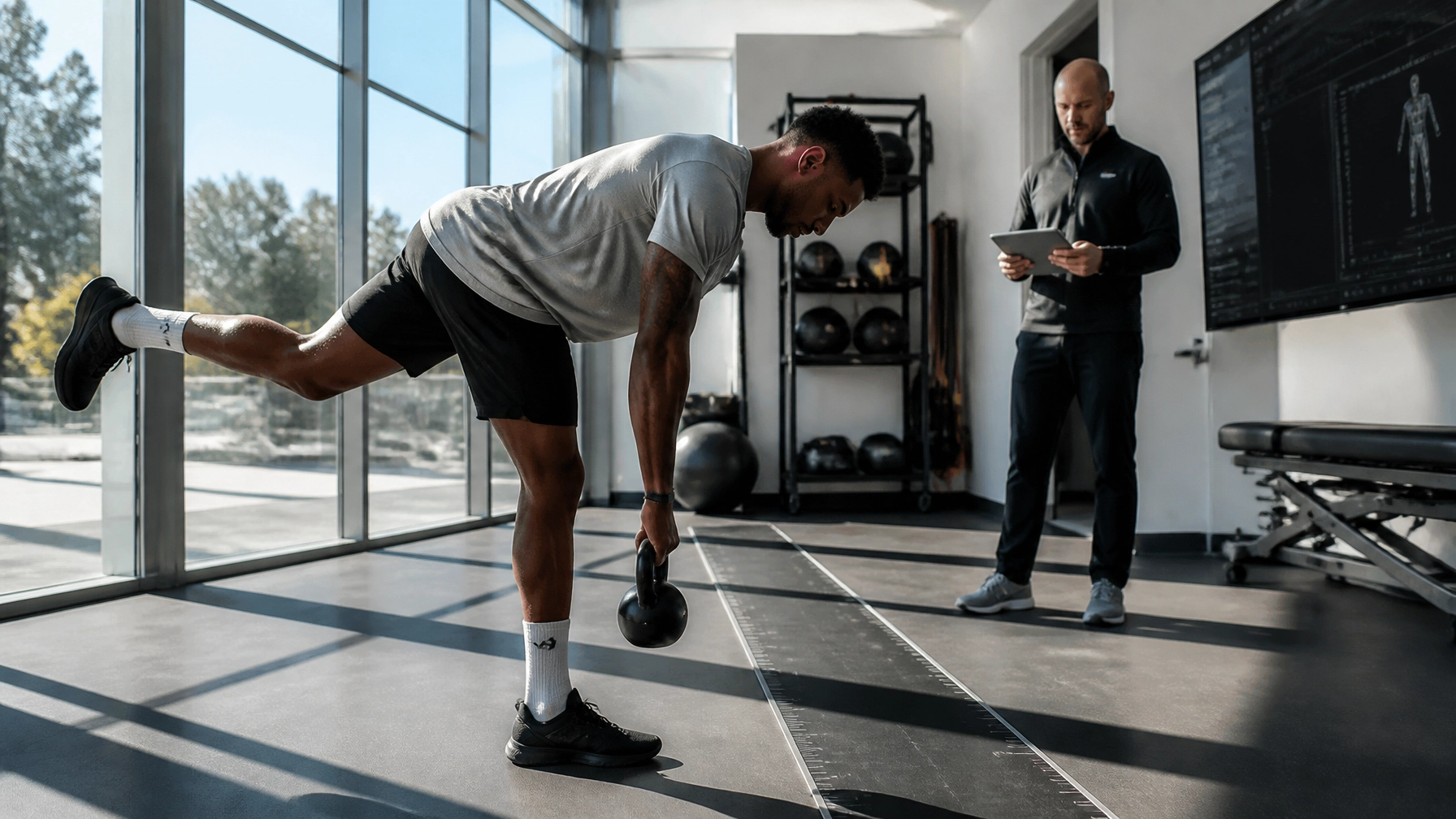
Injury rehabilitation programs in professional and amateur sports are failing at an alarming rate due to premature return-to-play decisions and a fundamental misunderstanding of physiological loading. While surgical techniques have advanced significantly over the last decade, the post-operative and post-injury recovery phase remains fraught with systemic errors that extend timelines and increase re-injury risk.
According to recent data, athletes who manage their own recovery without professional intervention are 60% more likely to suffer a secondary injury within twelve months. The transition from the treatment table back to the field of play is not merely a matter of time; it is a complex biological process that requires precision, data-driven progression, and a holistic approach to human performance.
For medical practitioners and fitness enthusiasts alike, identifying these seven common mistakes is the first step toward a successful, permanent return to sport.
1. Rushing the Calendar Instead of Following Criteria
The most pervasive mistake in injury rehabilitation is the reliance on a "return-to-play" date rather than objective physiological milestones. Whether it is a high school football player aiming for a playoff game or a weekend warrior wanting to run a marathon, the calendar is often the primary driver of progression.
Evidence-based practice dictates that progression should be based on criteria: such as symmetry in strength, range of motion, and functional stability: rather than a specific number of weeks post-injury. Rushing this process often leads to what clinicians call "involution," where the athlete’s system has not yet adapted to the demands of the sport.
The Fix: Establish clear, non-negotiable benchmarks with your physical therapy team. Before returning to full-speed training, you should demonstrate at least 90% strength symmetry compared to the uninjured limb. Use functional tests like the triple hop for distance or Y-balance test to validate readiness.
2. Neglecting the Kinetic Chain
When a soccer player sustains an ankle sprain, the focus often remains exclusively on the ankle. This localized approach ignores the "kinetic chain": the interconnected nature of the human body. An ankle injury inevitably changes how the knee, hip, and lower back function. Failure to address these compensations leads to secondary injuries.

Recent research highlighted by organizations like Physiopedia emphasizes that a knee injury is frequently a symptom of hip weakness or poor ankle mobility. If the "gluteal amnesia" that follows a knee surgery is not corrected, the ACL graft is placed under significantly higher stress upon return to the field.
The Fix: Ensure your rehab program includes "global" exercises. If you have a lower-body injury, you must still train your core and upper body to maintain overall athletic capacity. A comprehensive sports medicine approach treats the athlete, not just the injury.
3. Over-Reliance on Passive Modalities
Ice, ultrasound, and electrical stimulation have their place in acute pain management, but they do not "fix" injuries. A common mistake is spending 45 minutes on a treatment table receiving massage and only 10 minutes performing active exercises.

Tissue healing requires "mechanotransduction": the process where mechanical loading (exercise) signals cells to repair and strengthen. Passive treatments cannot provide this stimulus. Over-reliance on "feel-good" treatments creates a psychological dependency and slows the actual structural repair of tendons and ligaments.
The Fix: Prioritize active loading. Your sessions should be centered around progressive resistance training and movement. Use passive modalities only as a bridge to allow you to perform the necessary exercises without debilitating pain.
4. Ignoring the Importance of Sports Nutrition
Recovery is an energy-expensive process. Many athletes mistakenly reduce their caloric intake when they are sidelined, fearing weight gain due to inactivity. However, the body requires significant protein and micronutrients to repair damaged tissue.
Athlete nutrition is the fuel for the biological "construction site" that is your healing limb. Inadequate protein intake can lead to muscle atrophy (wasting), which makes the physical therapy process significantly harder and longer. Furthermore, a lack of vitamin D and calcium can stall bone healing in stress fractures.
The Fix: Maintain a slight caloric surplus or at least maintenance calories during the early stages of rehab. Aim for 1.6 to 2.2 grams of protein per kilogram of body weight to preserve muscle mass. Integrating evidence-based sports nutrition strategies is as critical as the exercises themselves.

5. Poor Sleep Quality and Disrupted Cycles
Sleep is the most potent "performance-enhancing drug" available to an athlete, yet it is frequently the first thing sacrificed. During deep sleep, the body releases growth hormone, which is essential for tissue repair and muscle growth.
At Sports Medical News, we have previously covered how the wrong sleep cycle can seriously affect your mood and cognitive function. In a rehab context, poor sleep also increases pain sensitivity and decreases the cognitive focus required for complex neuromuscular drills. A sleep-deprived brain is a brain that makes mistakes on the field, leading to re-injury.
The Fix: Aim for 8–9 hours of quality sleep. Monitor your recovery using wearables but focus on "sleep hygiene": a cool room, no screens before bed, and a consistent wake-up time.

6. Stopping Rehab as Soon as the Pain Disappears
The "pain-free trap" is perhaps the most dangerous phase of injury rehabilitation. Pain is usually the first symptom to go away, but it is the last indicator of full tissue health. Just because your hamstring no longer hurts when you walk doesn't mean it can handle the eccentric load of a full-speed sprint.
Many athletes drop out of their programs once they "feel fine," leaving behind significant deficits in power and endurance. This is why hamstring strains have such a high recurrence rate; the muscle is "pain-free" but structurally weak and uncoordinated.
The Fix: Complete the entire protocol. The final phase of rehab: the "Return to Performance" phase: is the most important. It involves high-speed running, change of direction, and contact drills that prepare the tissue for the "brutal" reality of competition.
7. Neglecting the Psychological Hurdle (Kinesiophobia)
Physical readiness does not equal mental readiness. "Kinesiophobia," or the fear of re-injury, is a significant barrier that often goes unaddressed in traditional medical settings. An athlete might have a perfectly healed ACL, but if they are afraid to plant and cut, they will move tentatively. This hesitation actually increases the risk of injury because it disrupts normal movement patterns.

Research, including various Brown University studies, suggests that psychological readiness is a strong predictor of whether an athlete will return to their pre-injury level of play.
The Fix: Incorporate sports psychology into your recovery. Use visualization, set incremental goals, and ensure your rehab includes "chaotic" environments that mimic the unpredictability of your sport. This builds "robustness": both physical and mental.
Summary: The Path to Performance
The road back from injury is a test of discipline as much as it is a test of biology. By avoiding these seven mistakes: rushing the clock, ignoring the kinetic chain, relying on passive fixes, neglecting nutrition, skipping sleep, stopping too early, and ignoring the mind: athletes can ensure they don't just return to play, but return to peak performance.
Stay updated with the latest in wellness news and performance enhancement by subscribing to our daily newsletter. Whether you are a surgeon, a coach, or a dedicated athlete, the science of recovery is always evolving.