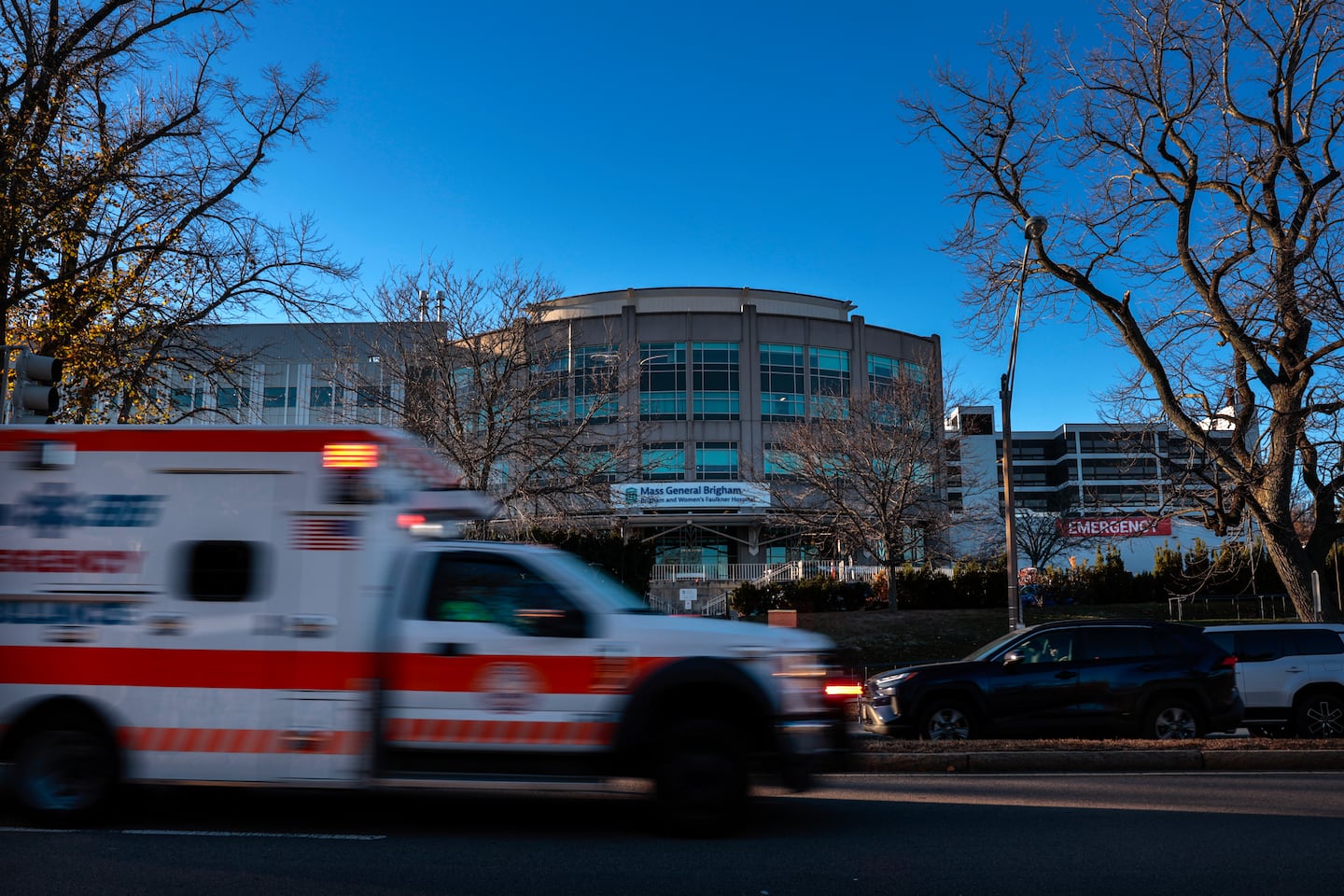
Jessica Britnell oversees nurse practitioners and physician assistants in Mass General Brigham’s nine emergency departments. Hospital clinicians, Britnell said, often run into a problem, which is that patients travel. Patients spend summers in Florida or live in New Hampshire. But clinicians can’t offer virtual visits or renew certain prescriptions unless both parties are physically in Massachusetts.
The results could be an elderly snowbird seeking care from a doctor who doesn’t have their patient history or current medication list, raising the risk of errors. A cancer patient might have to drive for care that could have been delivered virtually.
“When someone’s not feeling well, the last place I want them to be is in the car because they have to cross state lines to get care at MGB,” said Britnell, who is president-elect of the Massachusetts Association of Physician Associates.
FEATURED VIDEO
In November 2024, Governor Maura Healey signed a law authorizing Massachusetts to join a nurse licensing compact, which will make it easier for nurses licensed in one state to practice in another compact state. Implementation is expected to take about 18 months, and a process is ongoing to authorize the FBI to conduct criminal background checks on applicants.
Get The Gavel
A weekly SCOTUS explainer newsletter by columnist Kimberly Atkins Stohr.
Enter Email
But a handful of other interstate compact bills are still pending in the Legislature that, if passed, would let physicians, physician assistants, psychologists, and emergency medical service workers more easily obtain licenses to practice in multiple states. In a climate where patients often struggle to access medical care, joining interstate compacts would provide needed flexibility for the health care workforce that could make it easier for patients to get care.
One advantage is in ensuring continuity of care. If a Massachusetts resident attending a New York college — or a New Yorker attending a Massachusetts college — wants to continue seeing his therapist over the summer, that therapist must be licensed in both states to offer consistent virtual visits.
Advertisement
Multistate licensing could improve health care access in rural areas, where it might be easier for a resident to see an out-of-state specialist virtually than drive to a Boston office. For residents in border communities, traveling out of state might be easier than getting care in-state, and licensure compacts could make it easier for residents to have virtual follow-up visits and for providers to establish multistate practices.
At a July hearing on a bill to join an emergency medical services licensing compact, bill sponsor state Representative Leigh Davis, a Great Barrington Democrat, said a shortage of emergency medical workers means towns increasingly rely on help from workers from other towns in cases when there are multiple calls at the same time. The compact could let that mutual aid come from out of state in border communities, if both states join the compact. It would also speed up hiring for a Massachusetts ambulance service hiring someone licensed out of state.
Any compact should be written in a way that doesn’t relax Massachusetts’ standards. Anyone practicing here should be required to meet our licensing requirements and follow our laws. As a hypothetical example, a therapist in Texas, which has no restrictions on conversion therapy, cannot be allowed to practice conversion therapy via telehealth on minors in Massachusetts, which is illegal here.
Compacts also need to be structured in a way that adheres to Massachusetts’ Shield Law, which protects Massachusetts clinicians from civil or criminal liability for providing abortion care or gender-affirming care — like hormone therapy, surgery, or counseling — to out-of-state residents, when that care is legal in Massachusetts but illegal elsewhere. Those details need to be worked out before a compact is passed. (The work of a state telehealth task force could also provide guidance for how best to facilitate interstate practice for physicians.)
Advertisement
But in cases where states have similar licensing standards, which can include requirements like passing a national qualification test, holding an educational credential, or undergoing a federal background check, there is no reason to require a professional to spend time and money undergoing a duplicative licensing process.
Any compact’s benefits will depend on how many states join. The physician assistant compact is new and will become active in late 2026 or early 2027. Twenty states have committed to joining it. PsyPact, the psychology interjurisdictional compact, has been adopted by 43 states. The emergency medical services compact includes 25 states. There are 42 states participating in a physician compact, including Connecticut, New Hampshire, Maine, and Vermont.
The Trump administration supports these compacts and included licensure compacts as a factor in scoring states’ grant applications for money from the federal Rural Health Transformation Program. If Massachusetts joins more compacts, that could improve its standing in competition for federal dollars.
Massachusetts needs a strong health care workforce that reflects the ease of travel in today’s world. Making it easier for clinicians to practice in multiple states would give patients more options for finding a doctor or continuing to see their doctor across state lines.
Editorials represent the views of the Boston Globe Editorial Board. Follow us @GlobeOpinion.
Medical needs cross state lines. Licenses should too.