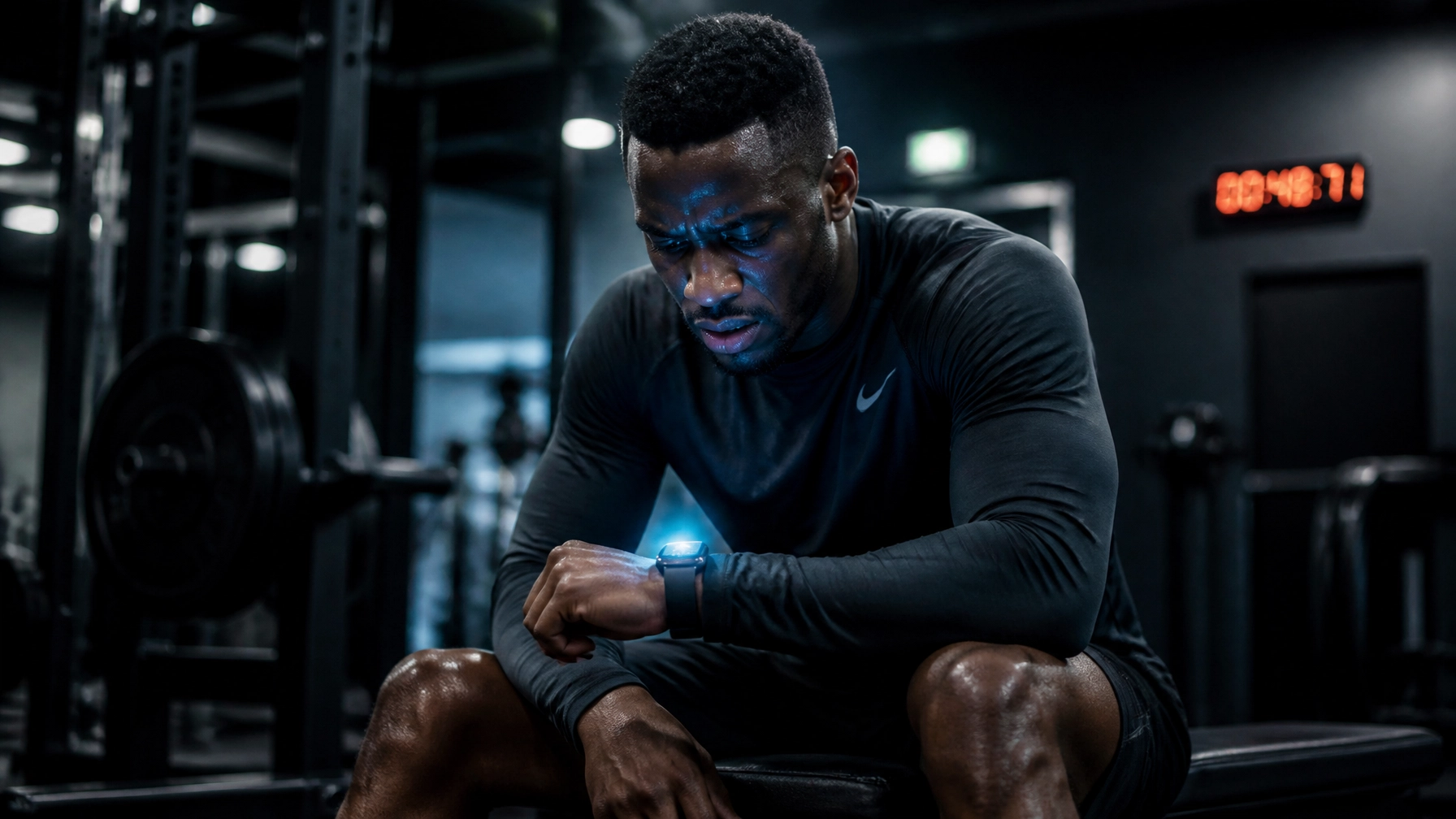
Professional and recreational athletes are increasingly sustaining soft-tissue injuries by prioritizing wearable technology data over clinical symptoms and fundamental recovery protocols, according to recent sports medicine reviews. On Tuesday, June 30, 2026, researchers emphasized that the misinterpretation of training-load metrics: specifically the "acute-to-chronic" workload ratio: remains a primary contributor to avoidable athletic setbacks. While the wearable technology market continues to expand, sports medicine practitioners warn that a "green light" on a smartwatch does not equate to physiological readiness for high-intensity exertion.
The Substitution Trap: Data Over Clinical Judgment
One of the most pervasive errors in modern sports performance is the substitution of wearable metrics for professional medical evaluation. Many athletes now utilize smartwatches and biometric rings as stand-alone diagnostic tools, often ignoring localized pain or persistent "niggles" because their device reports a high "readiness" score.

Sports Medical News has identified a growing trend where athletes delay seeking physical therapy until an injury has reached a chronic stage. In these cases, the subject often cites "good" heart rate variability (HRV) or sleep scores as the reason for continuing to train through discomfort. Clinical practitioners maintain that wearable data should function as an adjunct to: not a replacement for: the expertise of a certified trainer or sports physician. The failure to reconcile subjective pain with objective data often results in more brutal recovery timelines that could have been avoided with early intervention.
The Acute:Chronic Ratio and the "Load Spike" Error
The ability to track external training loads is a primary USP of wearable technology, yet the data is frequently used to justify dangerous "spikes" in volume. Data from professional organizations, including the NFL, indicates that rapid increases in workload: where the acute load significantly exceeds the chronic average: are directly correlated with a heightened risk of soft-tissue damage.

A common mistake observed in fitness enthusiasts is the pursuit of a single metric, such as daily step count or weekly mileage, without accounting for contextual stressors. When an athlete's acute:chronic ratio exceeds a factor of approximately 1.5, the risk of injury escalates. Many users fail to adjust these thresholds based on age, previous injury history, or environmental conditions like heat and humidity. The reliance on unvalidated, proprietary "injury risk scores" provided by consumer-grade devices further complicates this issue, as these algorithms often lack the transparency required for precise medical application.
Compliance and Configuration Failures
Evidence suggests that even the most advanced wearable technology is rendered ineffective by poor user compliance and incorrect device configuration. A randomized controlled trial recently revealed that nearly one-third of participants failed to derive any injury-prevention benefit because they utilized incorrect settings or manually disabled real-time feedback during high-stress activities.
For a wearable device to serve its purpose in injury prevention, it must be utilized consistently and configured according to evidence-based protocols. For instance, runners using sensors to monitor ground reaction forces or pronation must ensure the devices are calibrated for every session. Failure to maintain these standards leads to "dirty data," which can prompt athletes to make unnecessary or harmful adjustments to their gait. Furthermore, low compliance: such as forgetting to wear the device during recovery periods: strips the data of the context needed to accurately assess total physiological load.
The Biomechanical "Fixation" and Tissue Stress Shifting
Wearables provide unprecedented access to biomechanical metrics, including pelvic angles, ground contact time, and vertical oscillation. However, a significant mistake occurs when athletes attempt to "optimize" these numbers without professional supervision. Abruptly changing one's footstrike pattern or gait based on a real-time alert can increase tissue stress in unexpected areas.
Studies have shown that modifying technique solely to satisfy a device's "optimal" range can shift the load from one structure (such as the knee) to another (such as the Achilles tendon), potentially substituting one injury for another. Sports medicine experts argue that technique changes should be implemented gradually and accompanied by a dedicated strength and conditioning program. The "fixation" on achieving a perfect digital profile often leads to a mechanical rigidity that is counterproductive to the fluid demands of athletic performance.
Ignoring the Fundamentals of Recovery
Despite the sophisticated alerts provided by modern wearables, many athletes continue to ignore the fundamental pillars of injury prevention: the warm-up, the cool-down, and adequate sleep hygiene. Wearable tech is often used as a "hack" to bypass these essential practices, with users looking for a data-driven shortcut to bypass the body's natural need for restoration.

At Sports Medical News, we emphasize that data must be translated into actionable, individualized plans. If a device indicates poor sleep quality or high cardiovascular strain, the immediate response should be a reduction in training intensity, regardless of the day's scheduled workout. The most successful athletes are those who use technology to reinforce: not circumvent: the basics of sports medicine.
Establishing an Evidence-Based Framework
To mitigate the risks associated with wearable tech, practitioners and athletes should adopt a standardized framework for data integration:
- Define Primary Metrics: Identify a small set of evidence-aligned metrics, such as HRV and acute:chronic workload ratios, rather than chasing every available data point.
- Set Decision Rules: Establish clear "if-then" scenarios. If recovery scores fall below a specific threshold for three consecutive days, the training load must be reduced by a predetermined percentage.
- Validate with Professionals: Bring wearable data to physical therapy or coaching sessions to ensure the numbers align with physical assessments.
- Prioritize Natural Movement: Ensure that the placement of sensors does not alter habitual movement patterns or cause physical discomfort.
The future of sports medicine lies in the synergy between human intuition and digital precision. However, until athletes stop treating their smartwatches as infallible medical authorities, the rate of "data-driven" injuries is expected to remain high. Staying informed through the Sports Medical News newsletter ensures that both practitioners and fitness enthusiasts remain updated on the latest shifts in wearable technology and injury prevention research.
In conclusion, wearable technology is a powerful tool for performance enhancement and injury rehabilitation, but its efficacy is entirely dependent on the user's ability to interpret data within a clinical context. By avoiding these common mistakes: substituting data for medical advice, ignoring load spikes, and neglecting fundamentals: athletes can leverage tech to extend their careers rather than shorten them.