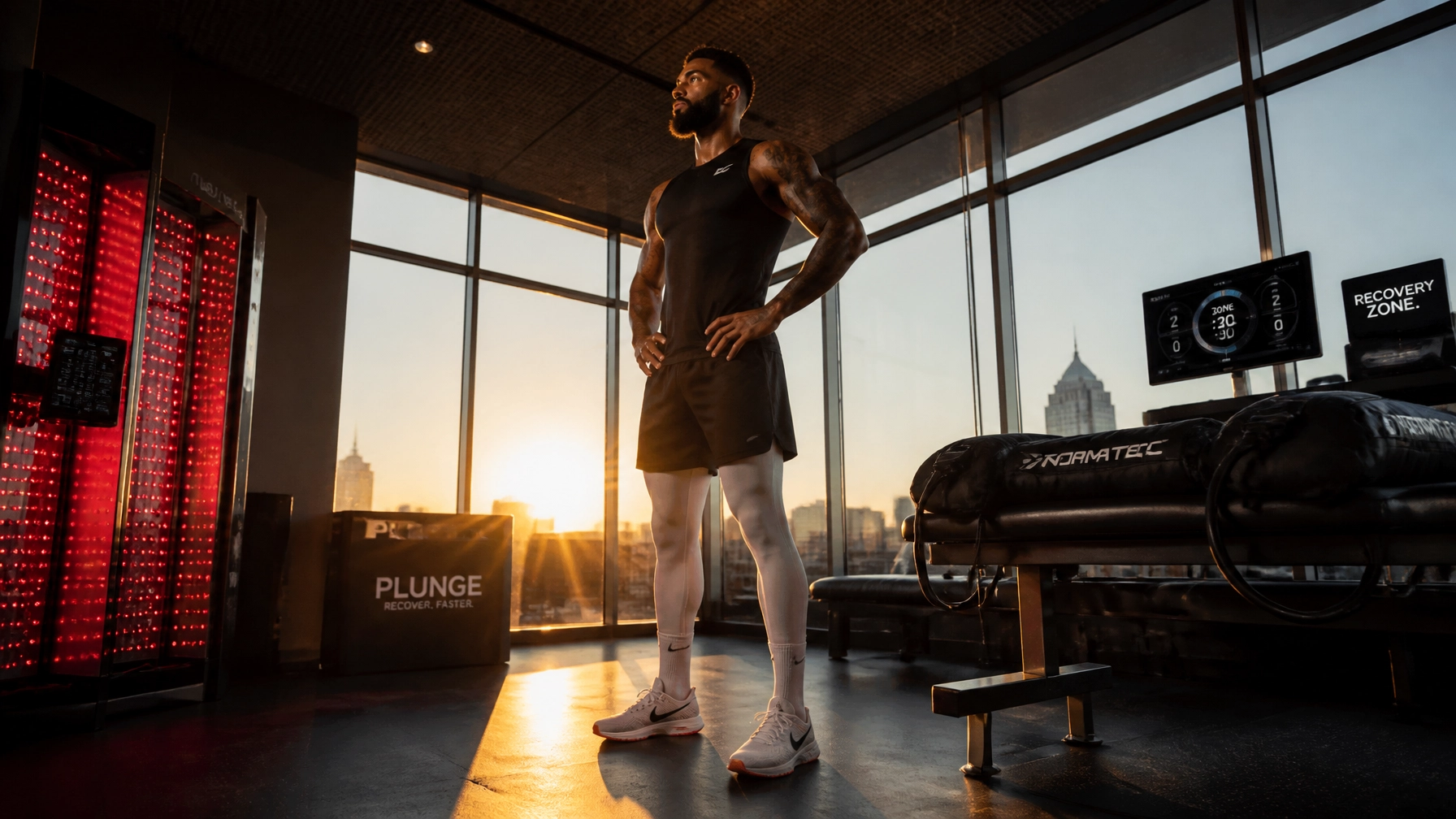
Athletes utilizing advanced biohacking technologies are frequently compromising physiological adaptation by mismanaging recovery modalities, according to recent sports medicine assessments released this Sunday, June 28, 2026. While the global performance enhancement market has surged, clinical data suggests that the improper application of tools like cryotherapy, photobiomodulation, and biometric tracking is leading to a plateau in gains and, in some instances, a higher incidence of sports injuries.
The shift toward high-tech recovery has often come at the expense of foundational principles. "The trend of 'hacking' one’s biology has outpaced the rigorous evidence required to implement these tools effectively," stated Dr. Lawrence Vance, a leading consultant in injury rehabilitation. As practitioners and health-conscious readers navigate this landscape, identifying these seven critical mistakes is essential for maintaining long-term health and athletic longevity.
1. Blunting Hypertrophy Through Improper Cryotherapy Timing
The use of cold-water immersion: commonly known as the "ice bath": has become a staple in the routines of many fitness enthusiasts. However, a significant error occurs when athletes utilize cryotherapy immediately following hypertrophy-focused resistance training.
Evidence-based sports medicine indicates that cold exposure suppresses the inflammatory response necessary for muscle protein synthesis. By rapidly cooling the muscle tissue, athletes inadvertently "blunt" the anabolic signaling pathways, such as mTOR, which are responsible for muscle growth. To fix this, practitioners recommend delaying cold exposure for at least 6 to 12 hours post-lift or utilizing it only after high-intensity cardiovascular sessions where inflammation reduction is prioritized over muscle size.

2. Developing "Orthosomnia" Through Wearable Over-Reliance
The obsession with "recovery scores" from wearable devices has led to a documented psychological phenomenon known as orthosomnia: a preoccupation with achieving perfect sleep data that ironically causes stress and impairs sleep quality.
Athletes frequently report high levels of anxiety when their device indicates a low "Readiness" score, even if they feel physically capable of performing. This data-driven stress can trigger a sympathetic nervous system response, elevating cortisol levels and hindering actual recovery. The solution involves a "subjective-first" approach: athletes should assess their perceived exertion and morning vigor before checking digital biomarkers. Data should be used as a long-term trend indicator rather than a daily permission slip to train.

3. Neglecting Athlete Nutrition in Favor of "Magic Pill" Supplements
A recurring theme in wellness news is the search for the ultimate recovery supplement. Many individuals prioritize expensive exogenous ketones, NAD+ precursors, or proprietary herbal blends while failing to meet their basic macronutrient requirements.
Proper athlete nutrition remains the primary driver of tissue repair. Forgetting the "anabolic window": the period where carbohydrate and protein intake is critical for glycogen replenishment: cannot be corrected by any biohack. Practitioners emphasize that performance enhancement begins with a foundation of whole foods and structured sports nutrition before introducing experimental recovery aids.
4. Substituting Passive Tech for Active Physical Therapy
The rise of percussive massage guns and pneumatic compression boots has led to a decline in active injury prevention strategies. While these tools offer temporary relief from delayed onset muscle soreness (DOMS), they are passive modalities that do not address underlying biomechanical issues.
Relying solely on "hacks" to mask pain can lead to serious sports injuries. A pneumatic boot cannot replace a personalized physical therapy plan designed to correct movement compensations. For sustainable performance, these devices should be used as adjuncts to, not replacements for, clinical injury rehabilitation and strength-based recovery.

5. Mismanaging the Hormetic Window of Infrared Therapy
Photobiomodulation, or red light therapy, is praised for its ability to enhance mitochondrial function. However, a common mistake is the "stacking" of too many hormetic stressors simultaneously.
Hormesis is the biological process where a small amount of stress triggers a beneficial adaptation. When an athlete combines a brutal workout with an ice bath, followed immediately by a sauna and red light therapy, the body can become overwhelmed. This "stress stacking" prevents the body from effectively mounting a recovery response. Experts suggest spacing out high-intensity recovery "hacks" to allow the body's natural homeostatic mechanisms to function.
6. Disregarding Circadian Biology in Recovery Environments
Many biohackers invest thousands in recovery pods but fail to manage their light environment. The exposure to high-intensity blue light from screens late at night suppresses melatonin production, which is the body’s most potent endogenous antioxidant and recovery hormone.
Effective wellness news often highlights that no amount of magnesium or "sleep hacking" supplements can overcome a disrupted circadian rhythm. Establishing a "digital sunset" and ensuring total darkness during sleep are foundational biohacks that cost nothing but yield the highest returns on recovery.
7. Skipping Clinical Protocols for Concussion Recovery
In the pursuit of rapid return-to-play, some athletes attempt to use hyperbaric oxygen therapy (HBOT) or unproven nootropics to bypass official concussion recovery protocols. This is a dangerous violation of sports medicine standards.
Brain injuries require a strictly monitored, multi-stage progression. "Hacking" a neurological injury can lead to Second Impact Syndrome or chronic neurocognitive deficits. Official governing bodies insist that any injury rehabilitation involving the central nervous system must follow established medical guidelines rather than experimental trends.

The Path Forward: Evidence-Based Integration
The future of performance enhancement lies not in the abandonment of biohacking, but in its disciplined integration with clinical science. As we move into the second half of 2026, the distinction between "hacking" and "optimizing" is becoming clearer.
Medical practitioners are encouraged to guide their clients toward a "Basics-First" hierarchy:
- Sleep (8-9 hours)
- Nutrition (Balanced Macros/Hydration)
- Structured Load Management
- Professional Physical Therapy
- Secondary Biohacking Tools (Sauna, Cold, Light)
By correcting these seven mistakes, athletes can ensure that their recovery efforts actually support their performance goals rather than undermining them. For the latest updates on healthcare policy and medical innovations, stay connected with our daily newsletter.