


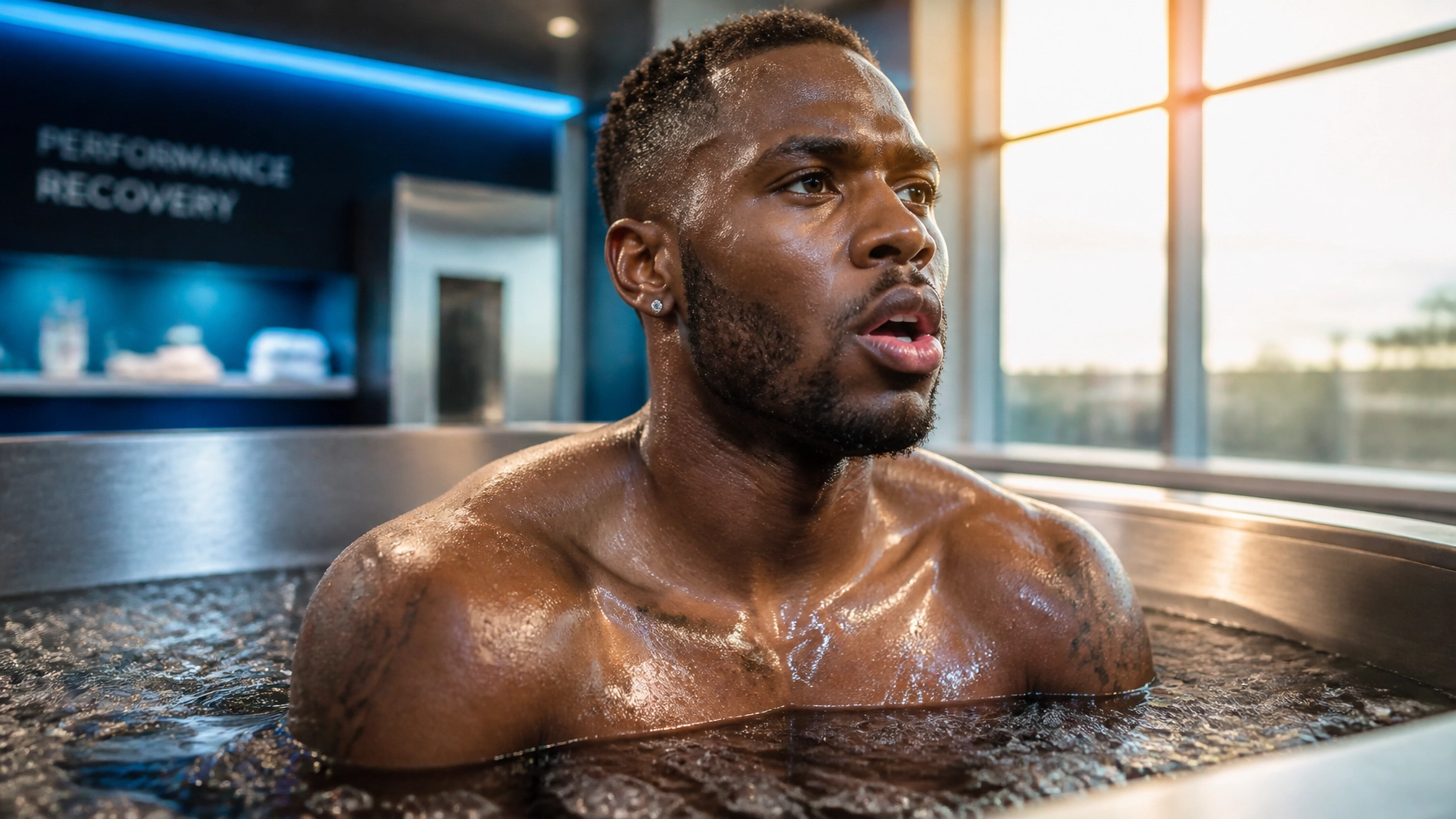
Sports medicine practitioners and elite athletes are fundamentally reassessing the utility of cold water immersion as recent clinical evidence suggests that routine ice baths may actually delay the long-term injury rehabilitation timeline. While cryotherapy has served as a cornerstone of athletic recovery for decades, a growing body of research indicates that the immediate suppression of inflammation: once thought to be the primary goal of treatment: can stifle the biological signals required for tissue repair and muscle hypertrophy.
The shift in professional consensus was marked on Tuesday when leading sports physical therapists highlighted a definitive move away from the traditional RICE (Rest, Ice, Compression, Elevation) protocol in favor of more dynamic, loading-centric frameworks. This transition reflects a critical understanding that while ice baths remain effective for short-term pain management and perceived recovery, their impact on the structural healing of ligaments, tendons, and muscles is often neutral or, in some cases, detrimental to the return-to-play schedule.
The Acute Phase: Transitioning from Suppression to Management
In the immediate aftermath of a musculoskeletal injury: the first 24 to 72 hours: the primary clinical objective is the control of debilitating pain and excessive interstitial swelling. During this acute window, the application of cold, whether through localized ice packs or short-duration cold plunges, remains a valid intervention. The physiological mechanism is straightforward: cold induces vasoconstriction, which limits blood flow to the injured site and slows nerve conduction velocity, providing a potent analgesic effect.
However, the medical community is now cautioning against the prolonged use of cold beyond this initial period. Research published in the British Journal of Sports Medicine suggests that inflammation is not a symptom to be eradicated, but a sophisticated biological process essential for the initiation of tissue remodeling. By aggressively cooling the tissue for consecutive days, practitioners may inadvertently extend the inflammatory phase and delay the subsequent proliferation stage of healing.

The Hypertrophy Conflict: How Cold Blunts Functional Gains
For athletes undergoing intensive injury rehabilitation, the restoration of muscle mass and explosive power is paramount. This is where the habit of "cold plunging" faces its most significant scientific challenge. A landmark 2015 study by Roberts et al. demonstrated that cold water immersion performed immediately after resistance training significantly attenuated the activation of key anabolic signaling pathways, such as the p70S6 kinase pathway, which is responsible for muscle protein synthesis.
When an athlete is in the "subacute" phase of rehab: focusing on regaining the strength lost during a period of immobilization: the use of an ice bath directly after a gym session can act as a physiological "mute" button. By reducing the temperature of the muscle fibers, the cold plunge inhibits the very stress response that triggers growth. For a practitioner, this means the patient may require more weeks of training to achieve the same functional milestones, effectively lengthening the rehabilitation timeline and delaying their return to the field.
Embracing the PEACE & LOVE Framework
The evolution of injury management has led to the adoption of the PEACE & LOVE framework, a set of guidelines that de-emphasizes ice in favor of vascularization and optimistic loading. According to this protocol, "PEACE" covers the immediate care (Protect, Elevate, Avoid anti-inflammatories, Compress, Educate), while "LOVE" guides the subsequent recovery (Load, Optimism, Vascularization, Exercise).
The "A" in PEACE: Avoid anti-inflammatories and ice: is the most controversial change for many athletes. The rationale is that both ice and non-steroidal anti-inflammatory drugs (NSAIDs) can impair long-term tissue healing, particularly in tendon and ligament repairs where blood flow is already limited. Instead of seeking the numbing sensation of an ice bath, the modern clinical approach encourages "Vascularization": performing pain-free aerobic activity to increase blood flow to the injured area, thereby delivering the nutrients and oxygen necessary for cellular repair.

Practical Guidelines for Practitioners and Athletes
The question is not whether ice baths are "bad," but rather how they are timed and applied. For medical practitioners and fitness enthusiasts, the following evidence-based guidelines should dictate the use of cold plunges during a rehabilitation program:
- Limit Cold to Pain Management: Use ice baths only when pain or swelling prevents the patient from engaging in their prescribed physical therapy exercises. If the patient can move without significant distress, the cold intervention should be minimized.
- Observe the 4-6 Hour Window: To avoid blunting the training stimulus, athletes should wait at least four to six hours after a strength-building rehab session before entering a cold plunge. This allows the initial wave of anabolic signaling to occur uninterrupted.
- Prioritize Active Recovery: On days focused on mobility and low-intensity movement, the negative impact of an ice bath is significantly lower. In these instances, the psychological benefits and improved sleep quality associated with cold immersion may outweigh the minor physiological risks.
- Temperature and Duration: If a cold plunge is utilized, the American College of Sports Medicine suggests temperatures between 10°C and 15°C (50°F–59°F) for 10 to 15 minutes. Extreme temperatures (below 5°C) can increase the risk of cold shock and do not offer superior healing benefits.
The Final Verdict on the Rehab Timeline
Ultimately, the data suggests that while ice baths are not inherently "bad," their indiscriminate use can be counterproductive to the goals of a structured injury rehabilitation program. The goal of sports medicine is to return the athlete to their peak performance level in the shortest time possible without risking re-injury. By relying too heavily on the numbing effects of cryotherapy, both athletes and clinicians may be trading short-term comfort for a slower, less robust biological recovery.
As we move further into 2026, the emphasis remains on "loading" rather than "icing." For those who wish to stay updated on the latest shifts in sports medicine and performance enhancement, subscribing to the Sports Medical News newsletter ensures access to daily briefings on the science of human high performance.

The decision to submerge in a cold plunge should be a calculated one, made with a clear understanding of the athlete's current phase of healing. In the brutal world of professional sports, where a single day can be the difference between a successful season and a career-altering absence, understanding the nuances of the ice bath is no longer optional( it is a medical necessity.)


