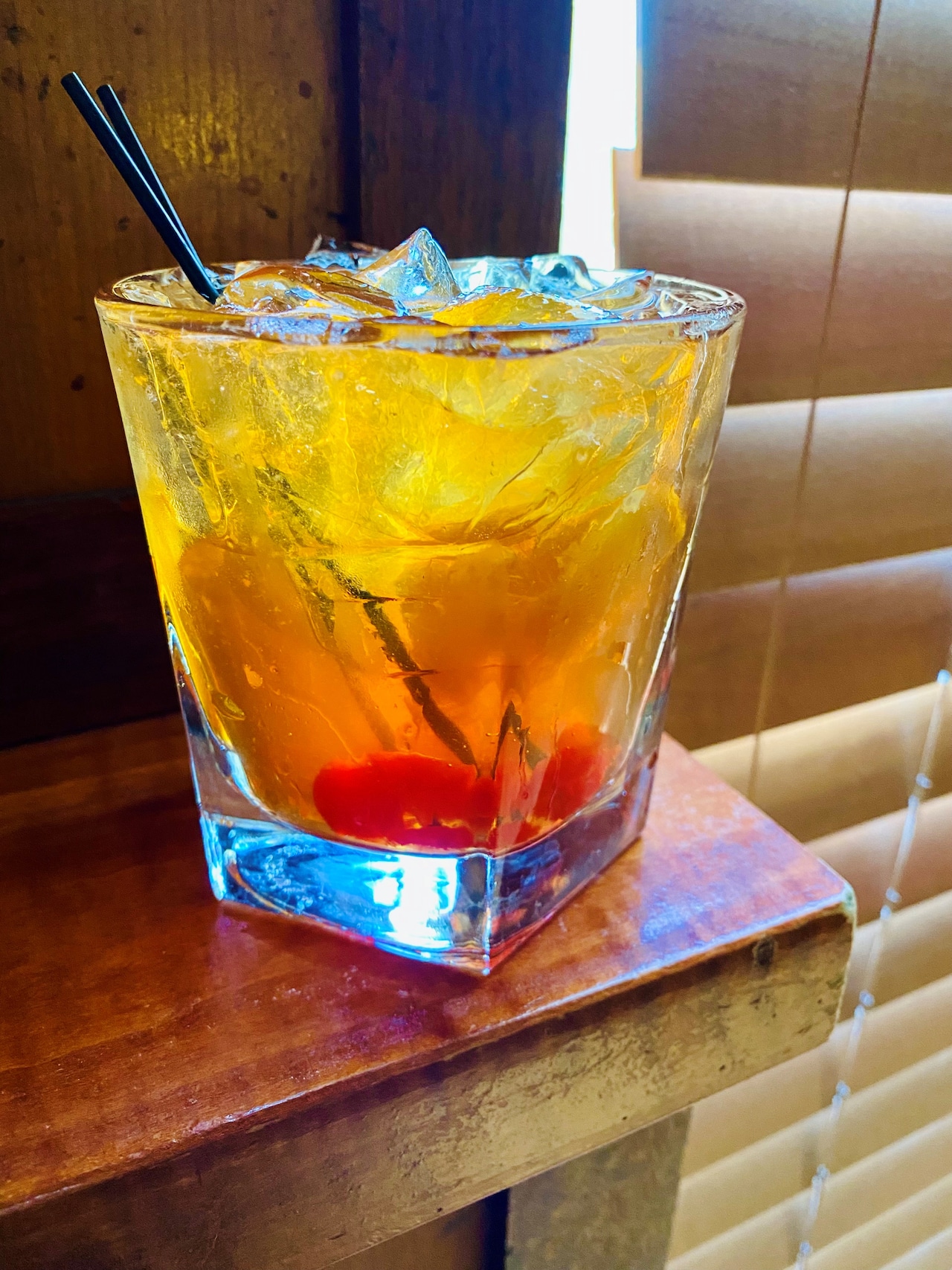
Dry January may be the hook, but for many Northeast Ohio residents, cutting back on alcohol has become a longer-term recalibration driven by aging, health, medications, sleep quality and a growing array of alternatives that don’t include booze.
More than 400 people responded after I asked subscribers to my weekday text list whether their drinking habits have changed — because of Dry January or more permanent shifts. The replies came from a wide range of ages and backgrounds, and while a minority said their habits haven’t changed, the dominant theme was moderation, reduction or complete abstinence.
Many described changes that had nothing to do with January resolutions. Instead, they pointed to how alcohol feels different as they get older, interferes with sleep, clashes with medications, or no longer fits into how they want to feel day to day.
The question also brought strong responses about alternatives — particularly nonalcoholic beer, mocktails and hemp-derived drinks — with people divided sharply on their value, safety and role in social life.
People who want to take part in future reader surveys and behind-the-scenes newsroom questions can sign up for the texts at www.joinsubtext.com/chrisquinn.
Aging, health and sleep are driving the biggest cutbacks
By far the most common explanation for drinking less was simply getting older — and finding that alcohol now comes with consequences it didn’t before.
“Alcohol has started giving me headaches,” one reader wrote. “Will try mocktails.”
Another said, “As I have aged, now over 70, the amount consumed has reduced greatly. I still enjoy a beer and a glass of wine, but not the quantity that I was accustomed to.”
Sleep disruption came up repeatedly, often framed as a tipping point.
“Definitely cutting back. Not worth the disruption in sleep and a bit of anxiety the next morning,” one person wrote. “During the holidays there was a little more and I felt it. Again not worth it.”
Others linked changes directly to medical guidance or medications.
“Almost all of our drug buffet warns to stay away from alcohol consumption,” one reader said. “Oh well.”
Another wrote, “Recent medicine prescribed for my several medical conditions have made me dizzy and/or have caused balance problems. I realized that these undesirable side effects were made worse by even a small amount alcohol.”
Several people said they quit entirely after serious diagnoses.
“I quit drinking in 2001. Quit cold turkey, never looked back,” one wrote. “I had pancreatitis. This is 25 years now — not a drop since.”
Others said the connection between alcohol and long-term brain or liver health finally outweighed the pleasure.
“The health effects of alcohol have never been clearer,” one respondent wrote. “It is not good for us.”
Dry January works for some — but many see it as symbolic
While many said they were participating in Dry January, plenty expressed skepticism about short-term abstinence without longer-term change.
“I’m not really sure of my motivation except to demonstrate that I can do it,” one person wrote. “Last go around, I can’t say I noticed any differences.”
Another wrote, “New Year’s resolutions are temporary punishments imposed for public admiration.”
Some described a middle ground.
“I’m practicing a ‘damp January,’” one respondent said. “Cutting back substantially as a wine drinker.”
Others said January abstinence had become a recurring reset.
“I’ve been doing dry January for the last few years,” one wrote. “It helps my sleep somewhat, and to keep my weight down.”
Still, many emphasized that Dry January wasn’t relevant because they already drink little or nothing.
“I never drink much any month,” one response said.
Nonalcoholic beer and mocktails are gaining real traction
One clear trend across responses was the growing acceptance — and enjoyment — of nonalcoholic beer and mocktails, especially among people who still want the ritual of a drink.
“There are great-tasting brands available,” one texter said of nonalcoholic beer.
Another wrote, “NA beers have come a long way from the days when the only option was O’Doul’s.”
Several said the expansion of alcohol-free options has made socializing easier.
“It’s definitely been easier to be 100% alcohol free within the last 3 or so years,” one person said. “More people are doing it — I find there’s a lot less judgement.”
Others liked mocktails, but not the sugar content.
“I hate drinking garbage that tastes awful,” one respondent said. “Why bother if drinking isn’t enjoyable?”
Still, people were clear they wanted alcohol-free choices in bars and restaurants — not a separate culture of juice bars or coffee shops.
“I want to be able to drink and socialize with my friends in bars,” one person wrote.
Hemp-based drinks divide readers sharply
Hemp-derived beverages sparked some of the strongest opinions.
Some respondents said they’ve switched from alcohol entirely.
“They help ease pain, settle nausea, and I’m never hungover the next day,” one person wrote. “These products improve my quality of life.”
Others expressed frustration that such drinks face restrictions while alcohol remains ubiquitous.
“Hard to understand why we can buy alcohol over the counter but not beverages with THC,” one respondent said.
But many were wary or outright opposed.
“I don’t think I know enough about them,” one person wrote. “It’s hard to know what to believe.”
Another said, “Isn’t switching to hemp just replacing one vice with another?”
Several cited regulation concerns or negative side effects.
“They gave me bad GI side effects,” one wrote.
Others rejected the idea outright.
“No pot either,” one response said. “Just my daily beer ration.”
A sizable minority haven’t changed at all — and don’t plan to
Not everyone is cutting back. A consistent minority said their drinking habits haven’t changed and don’t need changing.
“I drink the way that I’ve always drank,” one respondent wrote. “Moderation is the key.”
Others framed drinking as one of their remaining pleasures.
“I’m nearly 79 and this is just part of my retirement routine,” one person said.
Several emphasized personal responsibility rather than abstinence.
“Alcohol is not the problem,” one respondent wrote. “People’s lack of self control is.”
Still, even many of those respondents acknowledged a broader cultural shift — especially among younger generations.
“We notice several of our 40ish age children are quitting,” one person wrote. “Interesting.”
Finally, one offered humor. “I’m not drinking anymore!,” he said. “I’m not drinking any less either…”
The takeaway: less judgment, more choice
Across hundreds of responses, one thread ran consistently: people want fewer assumptions — whether about abstaining, drinking moderately or choosing alternatives.
“If I have a drink with dinner, I don’t want to be judged,” one respondent wrote.
At the same time, many expressed relief that saying no has become easier.
“I rarely drink and don’t really miss it,” one said. “It’s been no big deal.”
Dry January, for some, is just a label. For many more, it’s a reflection of something already underway: a quieter, gradual shift in how people relate to alcohol — less as default, more as deliberate choice.
Dry January is a moment – In Northeast Ohio, drinking less is the trend: The Readers Write