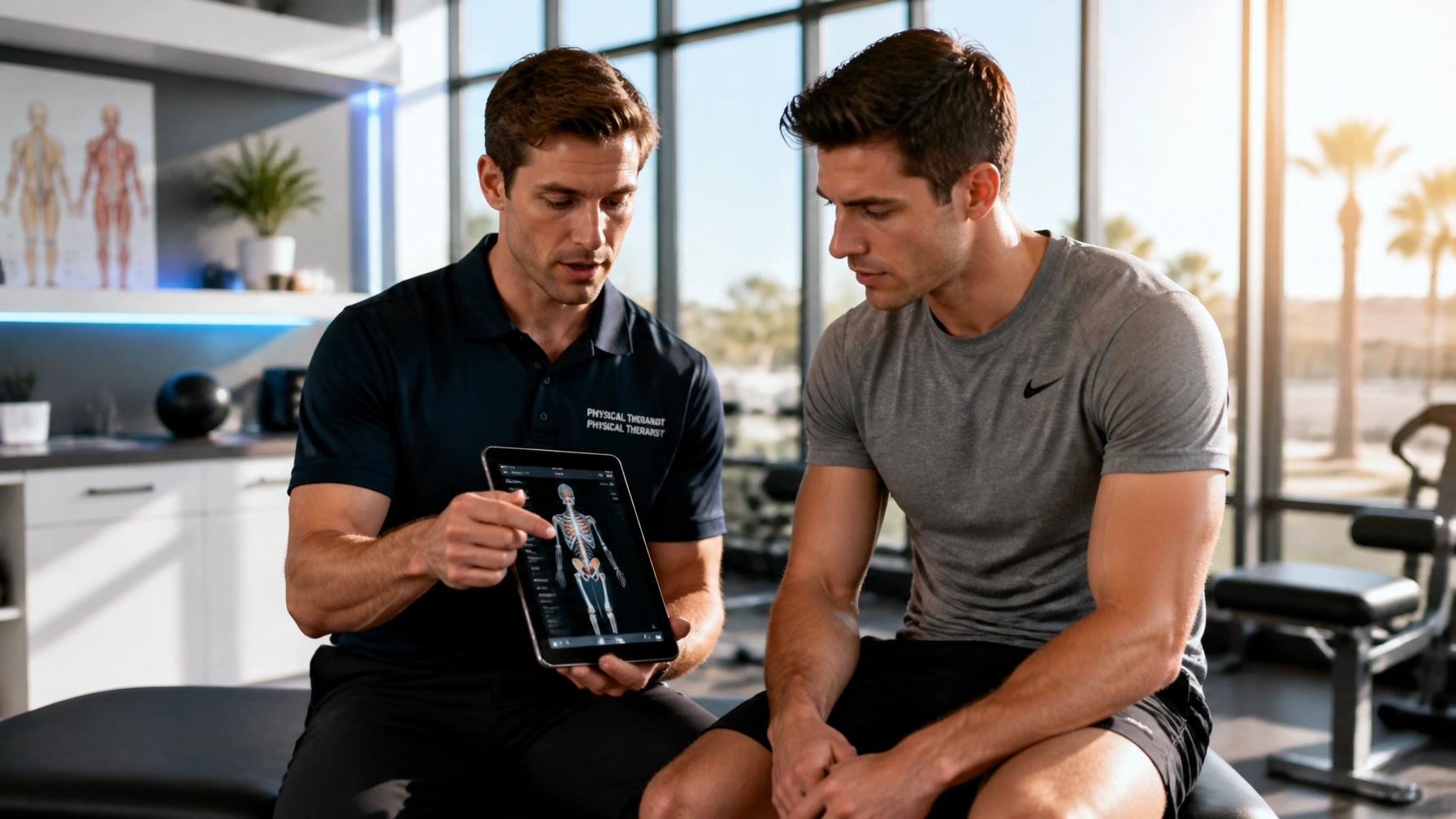
DENVER, CO : Friday, July 3, 2026 : Sports medicine practitioners and elite athletes are fundamentally restructuring injury recovery timelines as new evidence suggests that traditional "rest-only" protocols may actually delay tissue repair and increase reinjury risks. Recent clinical data released this year indicates that "criteria-based" progression: using objective strength and mobility markers rather than a set number of weeks: has become the gold standard for reducing downtime and ensuring long-term athletic durability.
As the field of sports medicine evolves, the transition from passive treatment to active, data-driven rehabilitation is no longer a luxury reserved for professional franchises. Whether you are a weekend warrior or a medical professional, understanding these ten shifts in rehabilitation science is critical for achieving a faster, safer return to play.
1. Criteria-Based Progression vs. The Calendar
The most significant shift in modern rehabilitation is the move away from calendar-based recovery. Historically, a patient might be told they can run at "six weeks post-op." Today, elite clinics utilize objective benchmarks. An athlete cannot progress to impact loading until they achieve specific limb symmetry indices (LSI): often 70% to 80% strength in the injured limb compared to the healthy one. This ensures that the biological tissue is actually prepared for the stress, rather than just reaching an arbitrary date on a calendar.
2. The Move from RICE to POLICE
For decades, RICE (Rest, Ice, Compression, Elevation) was the undisputed king of acute injury management. However, researchers have identified that prolonged "Rest" can lead to muscle atrophy and reduced joint proprioception. The new standard is POLICE: Protection, Optimal Loading, Ice, Compression, and Elevation. The "Optimal Loading" component encourages early, pain-free movement to stimulate cellular repair and maintain neuromuscular pathways immediately following the acute inflammatory phase.
3. The Power of Early Optimal Loading
Waiting for pain to completely disappear before starting rehabilitation is now considered a tactical error. Early mobilization, often starting within 48 to 72 hours of an injury, helps organize collagen fibers and prevents the formation of disorganized scar tissue. By applying controlled mechanical stress to the tissue: a process known as mechanotransduction: cells are signaled to speed up the repair process.

4. Nutritional Foundations for Tissue Repair
Rehabilitation does not happen solely in the gym; it happens at the cellular level, fueled by sports nutrition. Recovery requires an increased caloric intake to support the high metabolic cost of tissue healing. Key components include:
- High Protein Intake: To prevent muscle wasting during periods of reduced activity.
- Anti-Inflammatory Fats: Omega-3 fatty acids to manage the inflammatory cascade.
- Micronutrients: Vitamin C and Zinc, which are essential for collagen synthesis.

5. Sleep: The Invisible Recovery Tool
Clinical studies in 2026 continue to highlight sleep as the single most effective performance-enhancing and recovery-accelerating tool available. During deep sleep, the body releases growth hormone (GH), which is vital for tissue regeneration. Athletes who sleep less than seven hours per night are statistically more likely to suffer a secondary injury during their rehabilitation phase due to impaired cognitive function and slower physiological repair.
6. Data-Driven Load Monitoring
The "Acute:Chronic Workload Ratio" (ACWR) has become a staple in injury prevention and rehab. By using wearables and GPS tracking, practitioners can ensure that an athlete's weekly workload (acute) does not spike too far above their four-week average (chronic). A spike of more than 1.5 times the chronic load is often cited as a "danger zone" for reinjury. This precision allows for a "Goldilocks" zone of training: enough to build strength, but not enough to cause a setback.

7. Psychological Readiness and Return to Play
Physical healing often outpaces psychological readiness. Tools like the ACL-RSI (Return to Sport after Injury) scale are now used to measure an athlete's "fear of reinjury." If an athlete is physically 100% but mentally hesitant, their movement patterns often change, leading to compensatory injuries. Modern rehab must include cognitive strategies to rebuild confidence alongside physical strength.
8. Blood Flow Restriction (BFR) Training
BFR has revolutionized how we handle injuries that prevent heavy lifting. By using a specialized cuff to restrict venous return while allowing arterial flow, patients can perform low-load exercises (20-30% of their maximum) while achieving the physiological adaptations of high-intensity strength training. This allows for muscle hypertrophy to occur even when a joint cannot yet handle heavy weights.
9. Neuromuscular Control and Proprioception
It is not enough for a muscle to be strong; it must be "smart." After an injury, the brain's connection to the joint: proprioception: is often dampened. Rehabilitation must include "perturbation training," where athletes practice maintaining balance on unstable surfaces or reacting to unpredictable stimuli. This retrains the nervous system to protect the joint during the chaotic movements of actual sport.
10. The Multidisciplinary Approach
The era of the "siloed" practitioner is over. Faster recovery is achieved when a physical therapist, sports physician, nutritionist, and strength coach work in a unified loop. This "athlete-centered" model ensures that all facets of health: from blood chemistry to biomechanics: are optimized simultaneously.

Conclusion
Injury rehabilitation in 2026 is a sophisticated blend of biological science, data analytics, and psychological coaching. By moving away from the "wait and see" approach of the past and embracing "criteria-based optimal loading," the window of recovery is shrinking while the quality of the "return" is improving. For those looking to stay updated on the latest in healthcare policy and fitness trends, subscribing to a daily wellness news briefing is the first step toward better health literacy.
For more information on the latest sports medicine breakthroughs, visit our Articles section or contact our team.