Is your health the new wealth?
The start of a new year always brings fresh personal goals – bigger titles at work, higher revenue targets, and broader professional impact. But for many executives, there’s one resolution that slowly and quietly slips to the bottom of the list: health.
Long hours, constant traveling, unpredictable schedules, and high-pressure decision-making don’t exactly create ideal conditions for physical fitness. That’s where Lauren Saint-Louis, founder and CEO of LSL Fitness in New York City, comes in. With more than 11 years of coaching experience, degrees in exercise science, certification as an exercise physiologist, and status as a nutrition coach, Saint-Louis has built her career helping high-performing professionals integrate fitness into real life—not a fantasy version of it.
She has helped hundreds of busy leaders increase their fitness, reduce illness risk, and build sustainable habits – without the burnout of “all-or-nothing” thinking, which often consumes career-driven, high-performing people.
What’s the secret to being successful in this area? I sat down with Saint-Louis at her training gym in midtown New York, where she shared three powerful tips for everyday leaders to become the best versions of themselves, both inside and outside the office.
1. Find Your “Minimum Effective Dose”
“Executives often don’t lack motivation—they lack simplicity,” said Saint-Louis, “consistency is a calendar problem, not a willpower problem.”
New habits start by scheduling workouts like any other appointment. “If it’s not on your calendar, it’s optional—and optional is usually the first thing to go,” she says. “Your routine should flex with your life, not compete with it.”
That begins with asking yourself a simple and honest question: What does a healthy week realistically look like for me this month or this quarter? Not in theory, but in reality.
From there, it’s important to create a “bare minimum” routine – regardless of how heavy your week is. While it will likely vary based on the person, a success plan might look like this:
15 minutes of mobility plus 10,000 steps on the street
Two short 15-minute in-home workouts before and after you get home
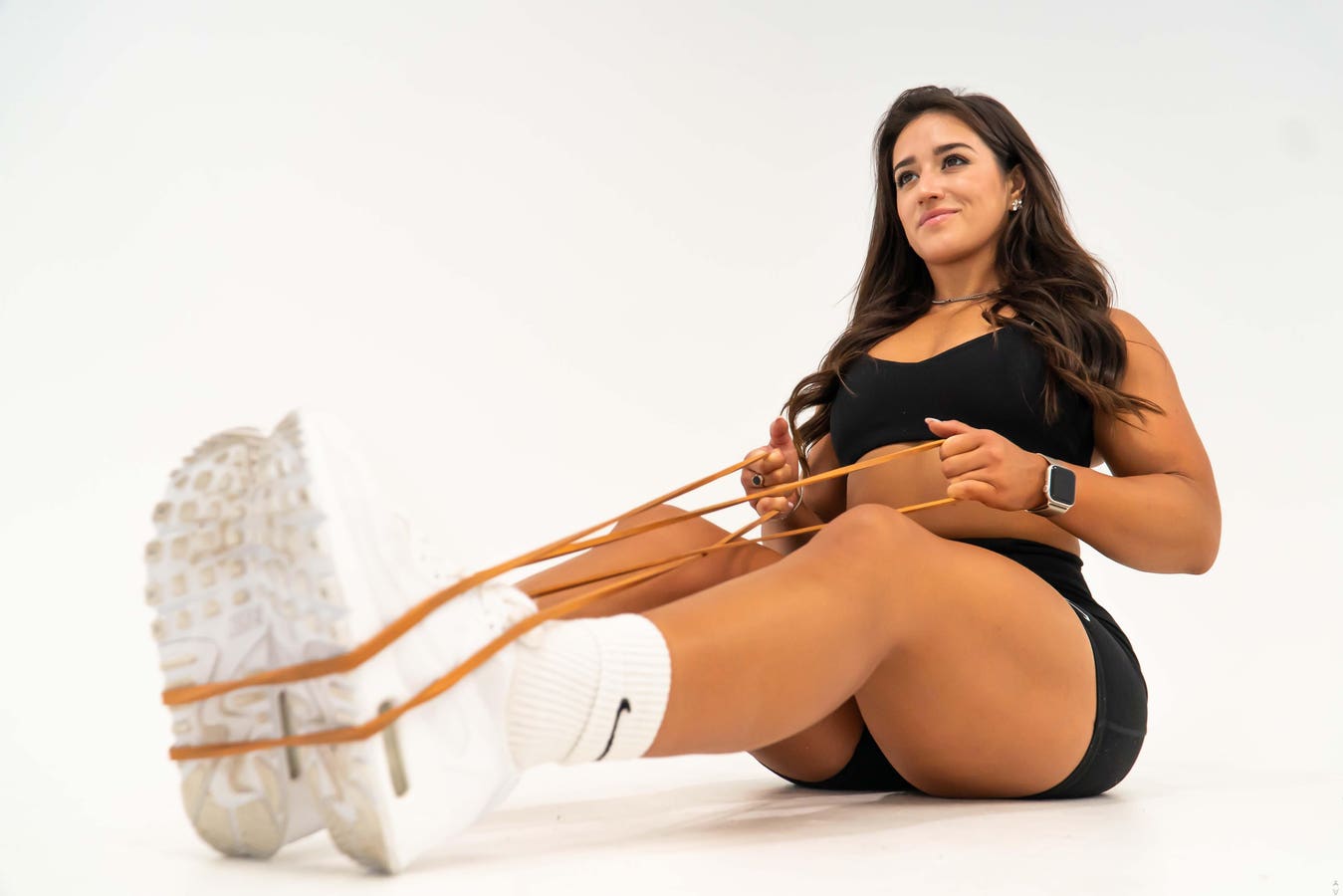
Traveling with resistance bands to use for 30 minutes in your hotel room
“Something is always better than nothing,” and a simple 20-minute workout can keep your new habits alive and prevent you from avoiding your own priorities – if you can’t find time for the gym.
2. Fuel Up Like A High Performer—Intentions Over Diet Rules
Traditional diets fail executives because executive life isn’t predictable. Flights change. Dinners run late into the night. Events are constant. “Rigid meal plans break under flexible lives,” says Saint Louis.
Instead of “diet rules,” the answer is conscious intentions.
Create a positive foundation to follow, and focus on what you prioritize, not what you’re restricting. From healthy shakes to protein to vegetables, in almost any setting, from airports to steak houses, there are great options if you know what to look for. For example:
Prioritize protein before carbs when at events or on the road with a client
Choose one indulgence per sitting – drinks, a dessert, or an appetizer, not all three
Eat until you are 80% full, or commit to only eating 1⁄2 your meal
For long days and travel, eat with intention by keeping “fitness-forward” snacks handy. She stresses that “Small decisions prevent big crashes.” Regardless of where you are, keep a few protein bars, some packaged nuts, and some yogurt or fruit within arm’s reach.
High-level leaders already make strategic choices all day about work. Nutrition is no different. “It’s not about being perfect—it’s about making the best choice available where you are.”
3. Master The Pivot: Next Best Choice Over All-Or-Nothing
Executives are often perfectionists. That’s great for business results, but not always for health habits.
Miss one workout, and suddenly it’s, “I’ll start Monday again.” Eat one off-plan meal, and the day is written off entirely. This mindset kills consistency.
Saint-Louis replaces it with one powerful question: What’s the next best choice I can make for my health? The goal is not perfection—it’s fast recovery.
“Self-compassion is part of performance.” Changing behavior means learning and unlearning. You may be new at this—and that’s okay. What’s not okay is disappearing from your own goals.
Finally, reconnect to your “why.” Not just “lose weight” or “get fit,” but be specific on why you want to do it in the first place:
Do you want to improve your health to become a better leader with more energy?
Do health challenges run in your family, or been part of your life?
Is your body changing with age or due to a health concern you want to combat?
You already have the leadership skills to succeed—discipline, planning, resilience, adaptability – now it’s time to apply them to your health the same way you apply them to your career.
In the New Year, new changes don’t require a new personality, but they do require better systems, personal guardrails – and accountability – either in person or digitally. Because the most powerful version of you isn’t just successful—it’s healthy enough to enjoy it.
“Never forget…YOU are the luxury,” Saint Louis reminded me, before heading off to finish her cardio.
And that’s great advice for everyone.
New Year, New You. Here Are 3 Healthy Tips For Executives To Improve Your Fitness