With Ohio becoming the 45th state to approve Name, Image, and Likeness (NIL) deals for high school athletes, the traditional landscape of youth sports faces a potential revolution—and Today in Ohio podcast hosts wonder if it will destroy the purpose of youth sports.
Tuesday’s episode tackled the news with mix of concern and skepticism about what NIL might mean for young athletes who aren’t even adults yet.
“I’m troubled by this because they are kids… I can’t imagine that this doesn’t wreck high school sports.”
Unlike college athletics, where the argument that “everyone except the athletes makes money” carries weight, high school sports traditionally serve a different purpose. Most public schools don’t profit significantly from their athletic programs, making the introduction of NIL deals a jarring change.
Laura Johnston, whose son is a high school athlete, highlighted the developmental purpose of high school sports: “The idea is to develop these kids not just physically, but you know, teamwork, empathy, grit, all of this stuff. That’s why schools offer sports in the first place. So I agree with you, Chris. I would hate to think that high school sports are going to be corrupted by money.”
The Ohio High School Athletic Association (OHSAA) passed an emergency bylaw referendum after a Franklin County judge issued a restraining order in October related to a lawsuit from a Huber Heights Wayne football standout. Now, high school athletes across Ohio can be paid for appearances, licensing, social media endorsements, and use of their personal brand. They can collect unimaginable sums even though they remain too young to even vote.
Johnston noted another troubling aspect is the amplification of social media’s already problematic influence on teenagers. “If you’re going to pay someone for a branding, you want it to get spread to a large number of people. So if these kids are going to be even more encouraged to spend their time on social media, to develop brands to be influencers, and this is already bad. Social media is bad for kids.”
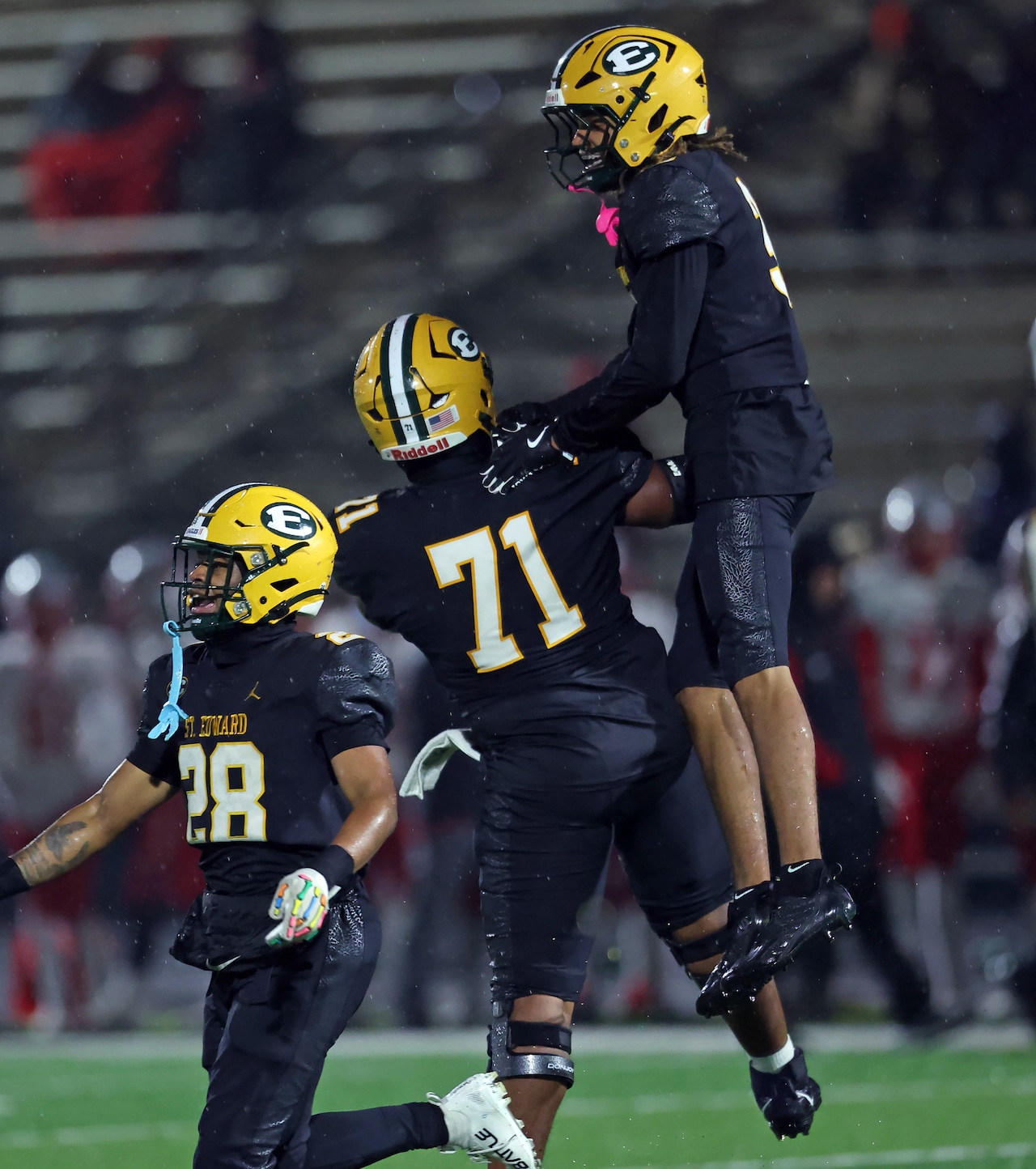
The disparity between well-funded private schools and public schools also raises concerns about competitive balance. Will schools like St. Edward and St. Ignatius gain even more advantages in recruiting talented athletes? What happens to successful public school programs like Brecksville’s gymnastics program, which has dominated for over two decades? Can private school competitors more easily recruit the best gymnasts and shut out public schools from championships?
The podcast discussion was about the anxiety of injecting cash into the time of children’s lives when they are supposed to be learning and forming into adults. It’s the commercialization of an activity that’s supposed to be about growing as individuals and teammates, not bank accounts.
Johnston said she took solace in the experience of other states, which have not seen terrible damage to the sports experience. Most NIL deals so far have been modest, one-time payments from local businesses. But the trend is still young.
The basic question is, can the developmental purpose of high school athletics survive in an environment where some players become paid performers?
Listen to the discussion here.
Read more Today in Ohio news
Cash vs. cashless: Ohio bill would force businesses to take your dollar bills
Merge or die: Ohio’s $25 million plan to collapse its 2,200+ local governments
Judge rules Rock Hall can use photographer’s work without pay in surprise copyright decision
The end of innocence? Ohio high school athletes can now cash in. Will their sports survive?