Here’s some really bad news to start your week — your odds of developing dementia are much higher than previously thought.
Prior research suggested that up to 14% of men and 23% of women in the US would get dementia at some point.
A startling NYU Langone Health study published Monday found that dementia risk is actually 35% for men and 48% for women after the age of 55, for an average of 42%.
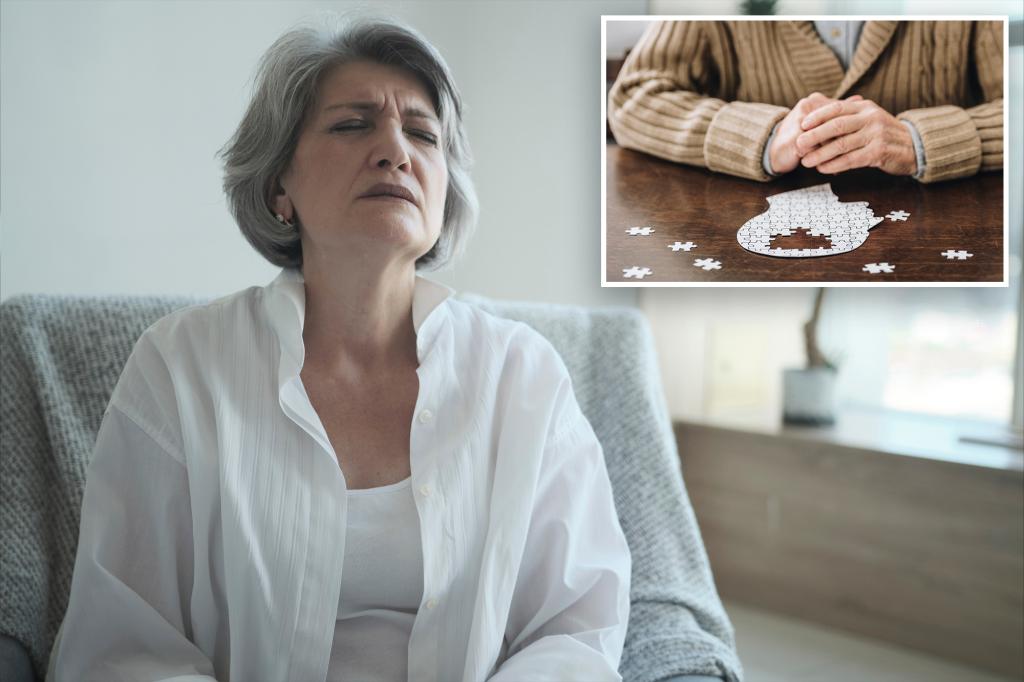
5 A startling NYU Langone Health study found that the odds of developing dementia are much higher than previously thought and new dementia cases are expected to double by 2060. Justlight – stock.adobe.com
5 Dementia — the progressive erosion of memory, concentration and judgment — affects more than 6 million Americans and accounts for more than 100,000 deaths each year. Peakstock – stock.adobe.com
“Our study results forecast a dramatic rise in the burden from dementia in the United States over the coming decades, with 1 in 2 Americans expected to experience cognitive difficulties after age 55,” said study senior investigator and epidemiologist Dr. Josef Coresh, founding director of the Optimal Aging Institute at NYU Langone.
Coresh’s team predicted that the number of new dementia cases will increase from about 514,000 in 2020 to around 1 million in 2060.
The rise is attributed to the aging population — about 58 million Americans are over 65 — as well as high rates of high blood pressure, diabetes, obesity, unhealthy diets, sedentary lifestyles and poor mental health.
Dementia — the progressive erosion of memory, concentration and judgment — affects more than 6 million Americans and accounts for more than 100,000 deaths each year.
5 Women are at higher risk because they tend to live longer than men, which gives dementia more time to develop. pikselstock – stock.adobe.com
Much of the risk will be shouldered by women, seniors 75 and over, black adults and carriers of the APOE 4 gene, which is considered the strongest known genetic risk factor for late-onset Alzheimer’s disease.
Women tend to live longer than men, which gives dementia more time to develop, and black adults often have less access to education opportunities, nutritional food and health care, according to the NYU Langone study findings in the journal Nature Medicine. Seniors over 75 face a 50% risk of dementia.
Coresh said previous research underestimated dementia risk because of inadequate documentation in health records and on death certificates, minimal monitoring of early-stage dementia and underreporting of minority cases.
Get the latest breakthroughs in medicine, diet & nutrition tips and more. Subscribe to our weekly Post Care newsletter! Thanks for signing up! Enter your email address Please provide a valid email address. By clicking above you agree to the Terms of Use and Privacy Policy. Never miss a story. Check out more newsletters
Coresh’s team analyzed over three decades of data from nearly 16,000 participants in a long-running study tracking heart health and cognitive function with “intensive surveillance.”
The median age of dementia diagnosis was 81, with 17% of participants diagnosed before 75.
There’s no cure for dementia but early detection can give patients and their caregivers time to plan for the future.
5 Early dementia detection can give patients and their caregivers time to plan for the future. LIGHTFIELD STUDIOS – stock.adobe.com
5 Addressing hearing loss can lower dementia risk. thodonal – stock.adobe.com
And while there’s no surefire way to prevent dementia, there are some lifestyle changes you can make to lower your risk.
Coresh told The Post you should keep your blood pressure in check and get adequate exercise and sleep.
“At older age, addressing hearing loss and minimizing the risk of falls and head injury is important,” he said.
Coresh pointed out that only a third of Americans with hearing loss use a hearing aid. He’s calling for greater access to affordable hearing aids and policies that address racial inequities in health care.
US dementia cases predicted to double by 2060: new study