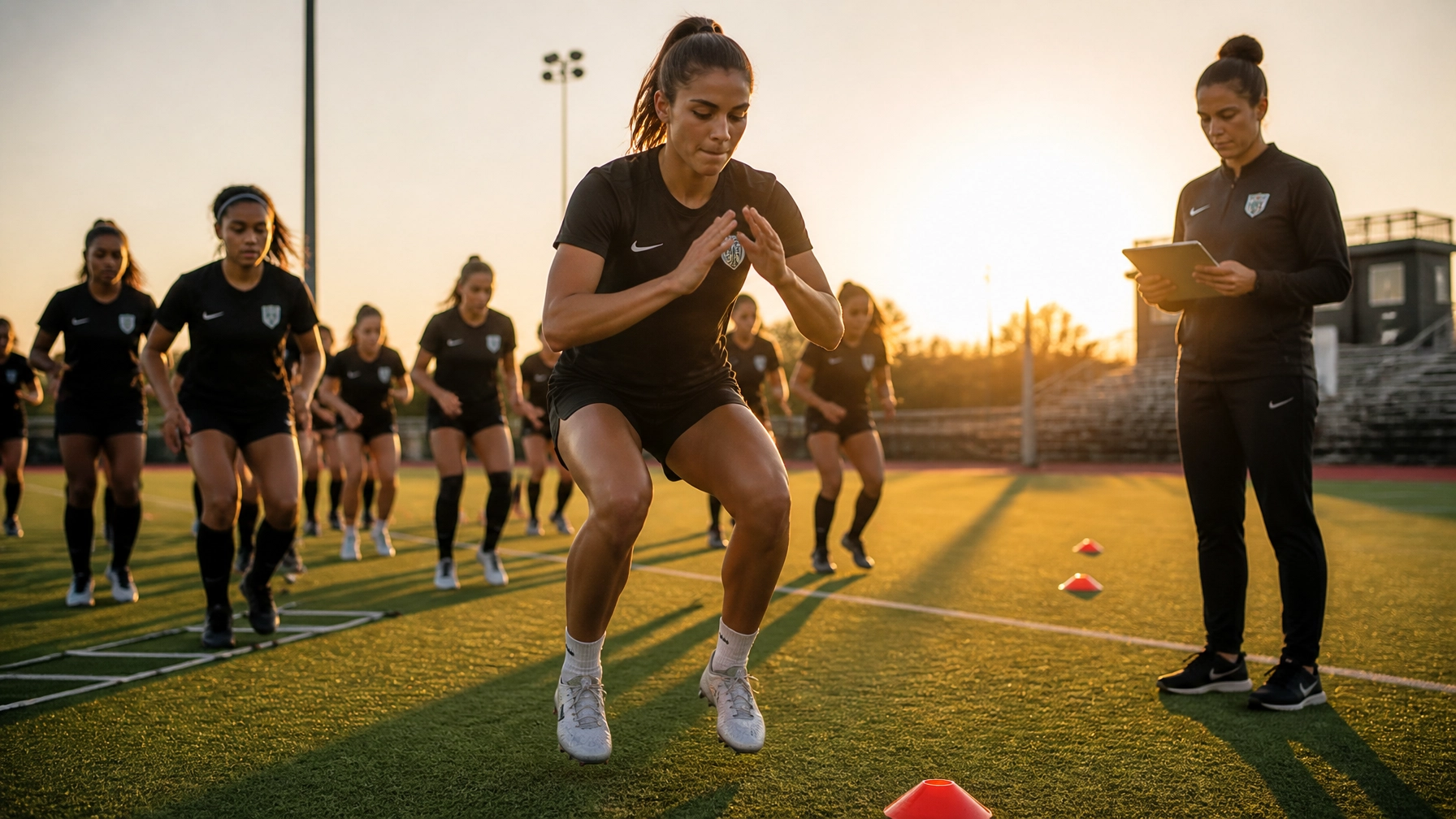
A series of landmark meta-analyses and position statements released in July 2026 have redefined the global standard for injury prevention, revealing that specific neuromuscular protocols can slash ACL and hamstring injury rates by up to 64% in high-risk populations. These findings, stemming from major institutions including Exercise and Sport Science Australia (ESSA) and the International Olympic Committee (IOC), provide a definitive roadmap for medical practitioners and fitness enthusiasts to maintain athlete availability and performance through evidence-based interventions.
The data shifts the narrative from reactive rehabilitation to proactive risk mitigation. This shift is punctuated by new 2026 research showing that integrated training programs, when applied with high adherence, offer a level of protection previously thought unattainable in professional and amateur sports.
The 60% Solution: ACL Prevention in Adolescent Athletes
On July 15, 2026, Exercise and Sport Science Australia (ESSA) published its latest position statement on ACL injury prevention, focusing specifically on the high-risk demographic of adolescent female players. The statement confirms that neuromuscular warm-up programs, when implemented as a standard part of training, lead to a ~60% reduction in ACL ruptures.
This reduction is not merely statistical but operational. The ESSA guidelines emphasize that these programs must be "embedded rather than added," moving away from isolated sessions to a continuous training model. The findings align with the 2026 IOC FAIR (Female Athlete Injury Reduction) consensus recommendations, which highlight the physiological and biomechanical nuances of the female athlete, urging practitioners to prioritize landing mechanics and trunk stability in every session.

At the University of Calgary, researchers have brought these findings into the real-time era. Using 3D motion capture technology, Calgary scientists are now identifying biomechanical "glitches" in adolescent players before they result in a tear. This real-time ACL prevention work allows for individualized corrective feedback, bridging the gap between clinical research and field application.
The Adherence Threshold: Slashing Hamstring Risks by 64%
The hamstring remains the most frequently injured muscle group in sprinting-based sports. However, a major 2026 meta-analysis covering 25 Randomized Controlled Trials (RCTs) and 10,124 participants has provided a new benchmark for success. The study reports that exercise-based programs reduce total injury risk by 27%, but the impact on hamstring-specific injuries is far more dramatic.
The 2026 hamstring prevention meta-analysis reveals a 49% risk reduction across the board with exercise-based programs. The most critical discovery, however, is the "Adherence Threshold." Researchers found that when adherence to the prescribed program exceeds 75%, the injury risk reduction jumps to a staggering 64%.
For medical practitioners, the message is clear: the efficacy of the program is secondary to the consistency of its execution. Providing athletes with tools like the Sports Medical News newsletter can help maintain this necessary engagement and education.

The Stanford Synergy: Sprinting and Nordic Hamstrings
For years, the debate in sports medicine centered on whether to prioritize high-speed sprinting or eccentric strengthening like the Nordic Hamstring Exercise (NHE). A 2026 Stanford study has effectively ended this conflict.
The Stanford research demonstrates that sprinting and NHE are complementary rather than competitive. The study showed that athletes who combined maximal velocity sprinting with Nordic exercises developed "resilient architecture": longer muscle fascicles combined with greater eccentric strength. This dual approach provides a "fail-safe" mechanism for the hamstrings during the high-stress terminal swing phase of a sprint.

Youth Sports: The 20-Minute Protocol
The burden of injury prevention often falls on volunteer coaches and time-constrained physical educators. Addressing this, a 2026 multicomponent youth program meta-analysis has validated the "under-20-minute" model.
The analysis found that programs lasting less than 20 minutes resulted in 35% fewer total injuries across youth populations. This suggests that high-intensity, short-duration neuromuscular training is more effective for adolescent engagement and physiological adaptation than longer, more arduous sessions. These findings are pivotal for community sports organizations looking to implement evidence-based safety measures without sacrificing technical practice time.

Actionable Insights for 2026
Based on the latest articles and clinical data, Sports Medical News recommends the following protocols for the 2026 season:
For Medical Practitioners
- Monitor Adherence, Not Just Performance: Track compliance with prevention protocols. If adherence drops below 75%, the protective effect of the program is compromised by nearly 15%.
- Integrate 3D Biomechanics: Where available, use motion capture to identify high-risk "valgus" landing patterns in adolescent females, as highlighted by the Calgary research.
- Implement the FAIR Consensus: Apply the IOC FAIR recommendations to tailor strength and conditioning loads to the specific physiological markers of female athletes.
For Fitness Enthusiasts and Coaches
- The 20-Minute Rule: Dedicate the first 20 minutes of every practice to neuromuscular warm-ups (balance, plyometrics, and eccentric strength).
- The Nordic-Sprint Combo: Ensure athletes are exposed to near-maximal sprinting at least once a week in addition to performing 2-3 sets of Nordic hamstring exercises.
- Focus on the Landing: In youth sports, the "how" is more important than the "how many." Focus on soft, quiet landings during all jumping drills.
The evidence of 2026 is definitive: injury prevention is no longer an optional "extra." It is a fundamental component of athletic longevity. By applying these latest scientific findings, we can ensure that the next generation of athletes spends more time on the field and less time in the training room.
For more updates on medical innovations and fitness trends, visit our About Us page or subscribe to our daily briefings.