Your browser does not support the audio element.
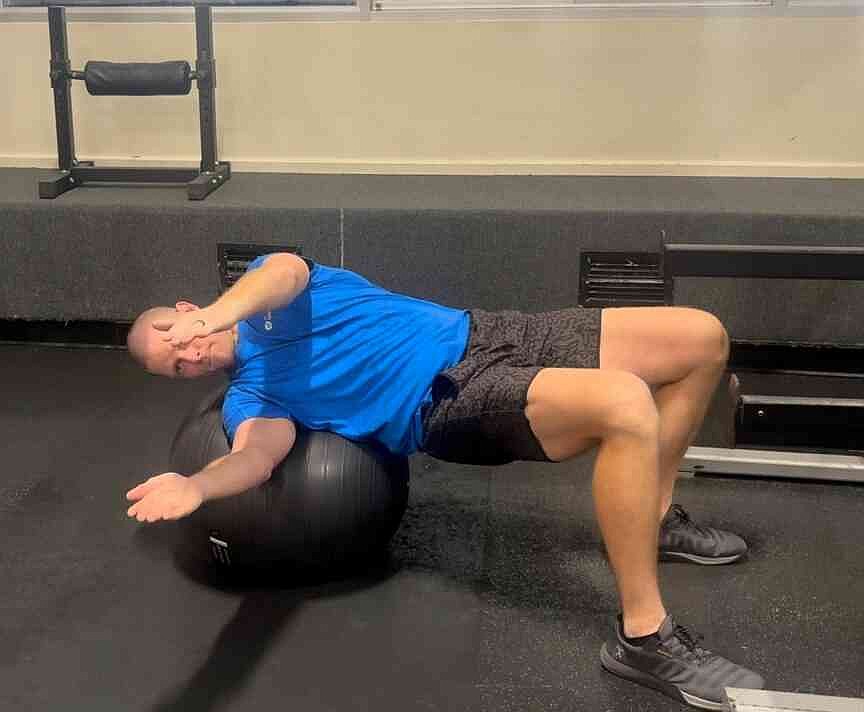
Core stability is a term that many fitness enthusiasts are familiar with, but it’s often oversimplified as a synonym for abdominal strength. Core stability goes well beyond one muscle group and describes the entire musculoskeletal structure around the trunk. This week, I’ll dive a little deeper into core stability and share an exercise that’s perfect for improving it.
With roots in physical therapy, core stability refers to the biomechanical functionality of a person’s midsection. This includes the hips, back, abdominals and all the muscles surrounding the trunk area. In my experience, true core stability is achieved not by developing brute strength, but by achieving balance with strength, endurance, flexibility and function.
For decades, the situp reigned supreme as the single most performed exercise targeting the core muscles. People added medicine balls and incline boards, but the situp was one of only a handful of core exercises performed up until the mid-’90s. Since then, core stability training has grown by leaps and bounds. Balls, bands and balance boards are all commonly used to create an unstable environment where the exerciser must use the core muscles to stay balanced.
But the real key to developing long-term core stability goes beyond the exercises themselves; it’s about postural awareness. Holding one’s frame in a good postural position requires core engagement. When a person sits upright, the core muscles
MASTER CLASS: Core stability training is about postural awareness